-
From Learning C++ to Real-World Development: Contributing to KDE Connect
How can you gain real-world C++ development experience without a job? I spoke with Albert Vaca Cintora, the creator of KDE Connect, about getting started with open source, working with experienced developers, navigating code reviews, and building practical software engineering skills.
-
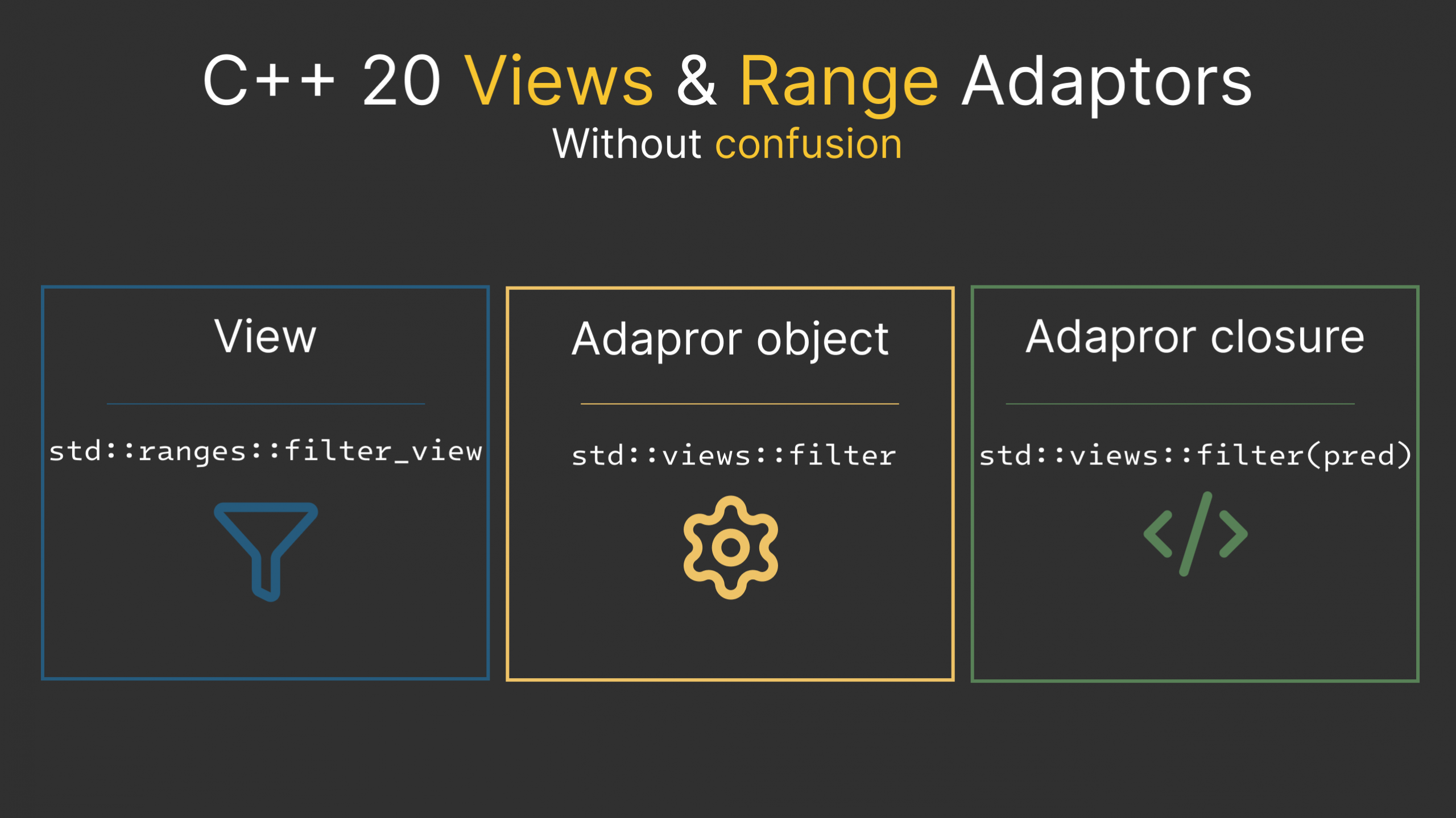
C++ Views and Range Adaptors Without Confusion: From C++20 to C++23
C++ views make lazy range transformations composable, while range adaptors provide the convenient interface behind expressions such as `range | std::views::filter(…)`. This article explains the difference between views, range adaptor objects, and range adaptor closures, shows how they work under the hood, and demonstrates how to implement a custom adaptor in C++23.
-
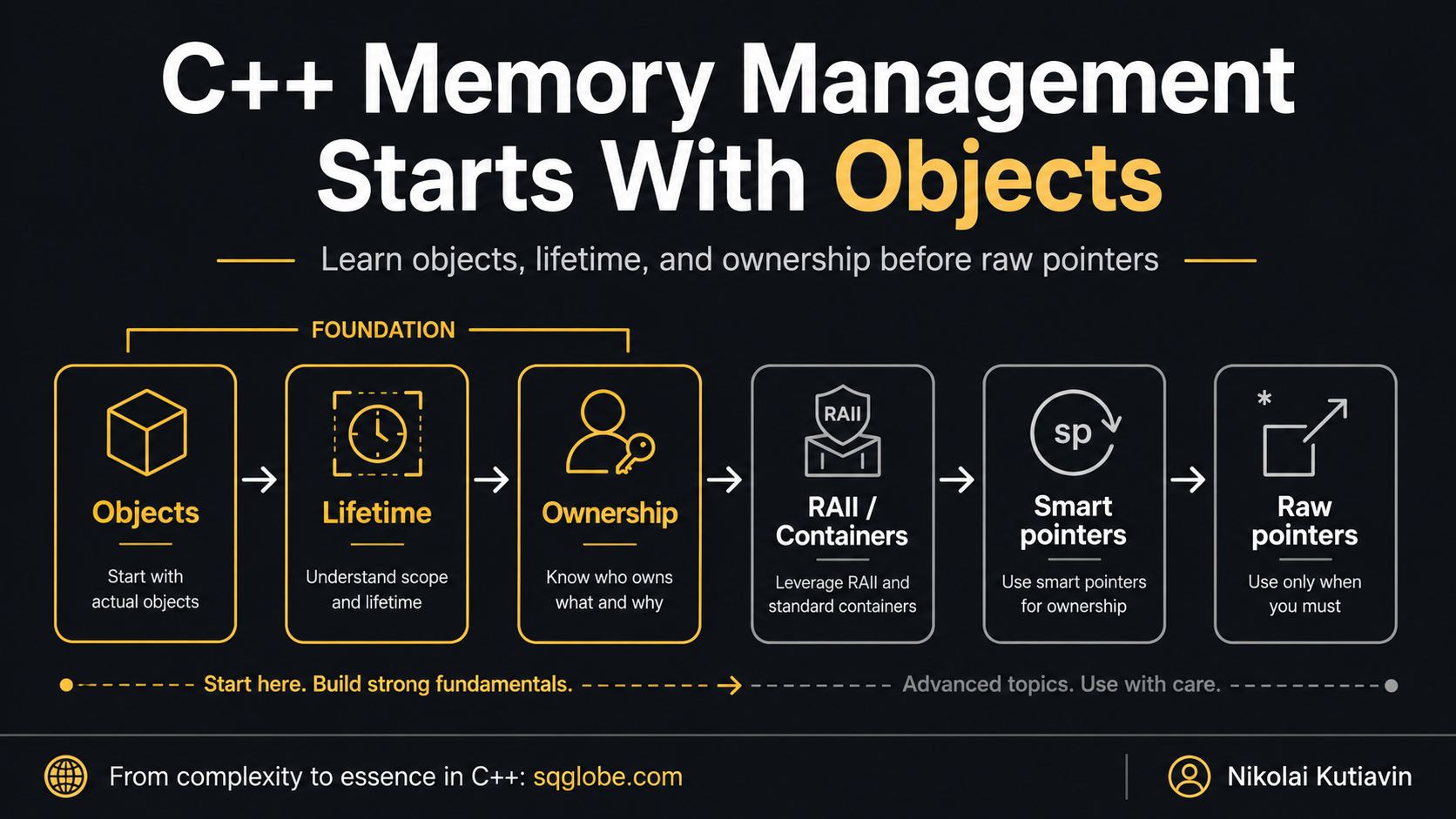
Learn Objects Before Pointers: A Better Way to Understand C++ Memory Management
Should C++ beginners start with raw pointers and manual allocation? Drawing on a conversation with Patrice Roy, this article explains why objects, lifetime, RAII, and ownership should come first.
-
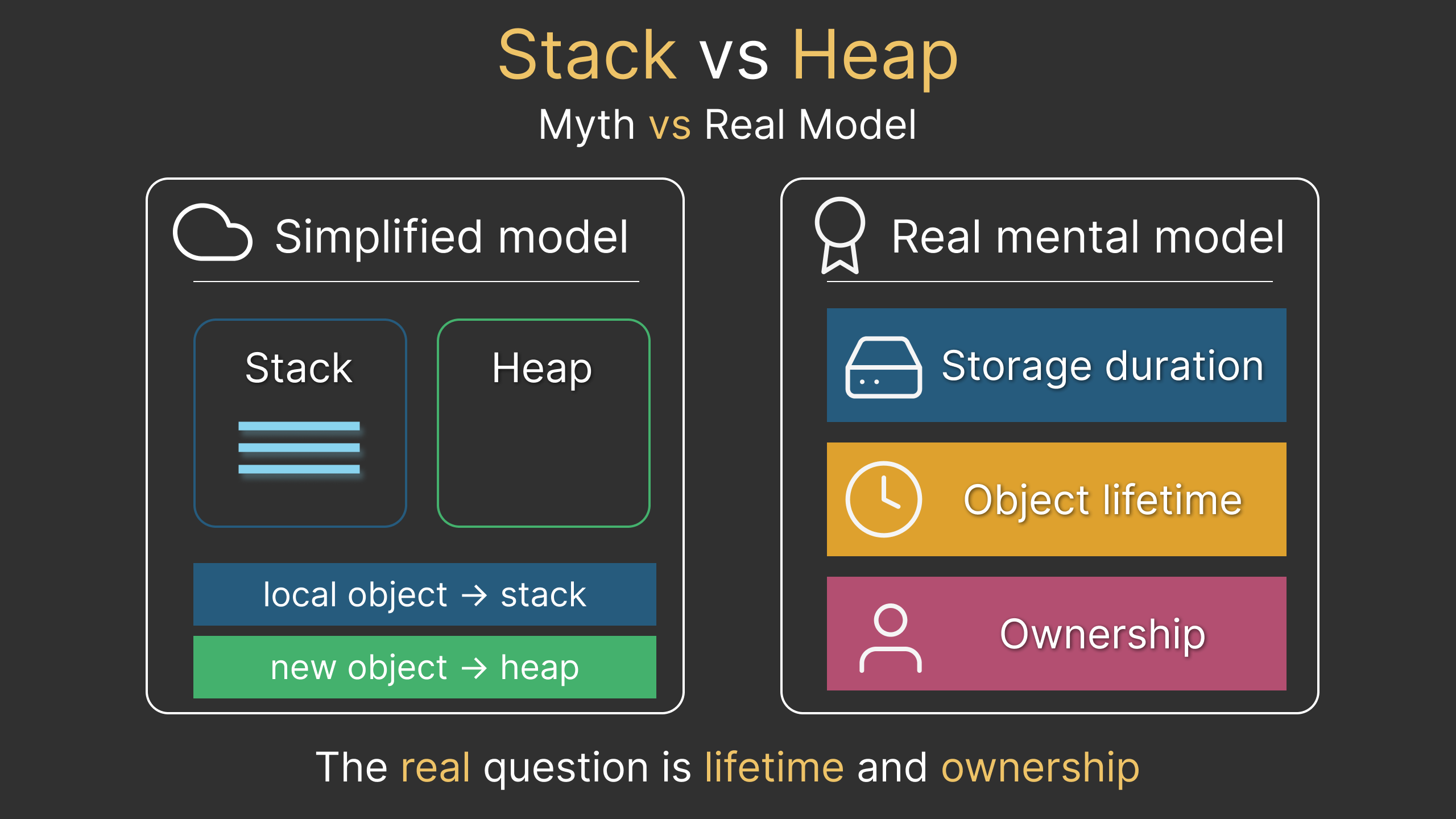
C++ Object Creation: Stack, Heap, and Lifetime
Stack and heap are useful terms, but they do not fully explain how C++ objects are created and destroyed. This article explores storage duration, object lifetime, ownership, RAII, and the practical reasons for choosing dynamic allocation.
-
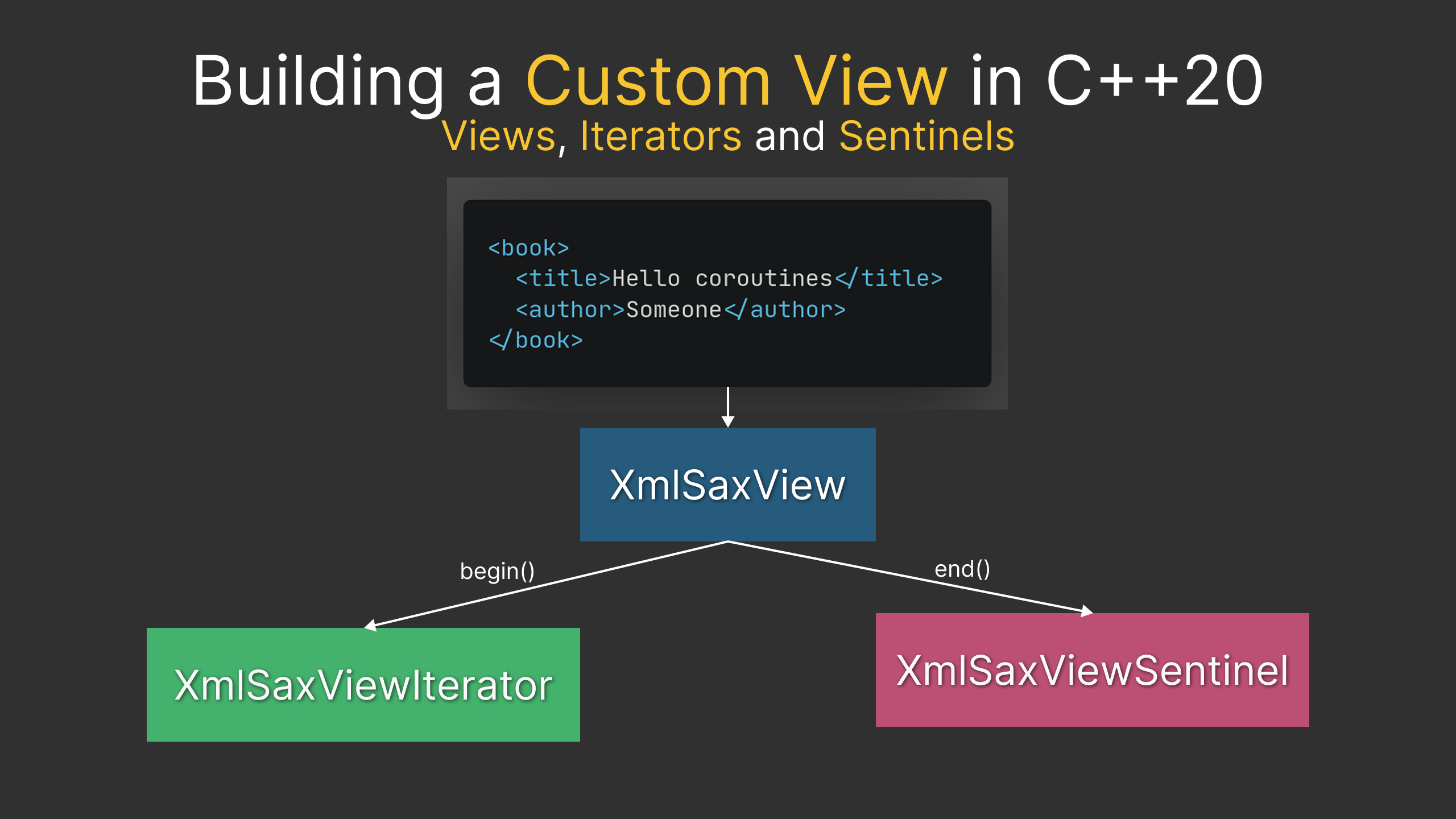
Constructing views in Modern C++. A Practical Guide.
C++20 views are not limited to the adaptors provided by the standard library. When an operation cannot be expressed through their composition, you can implement a custom view. This article demonstrates the process by building a lazy, SAX-like XML parser. Along the way, it explains how views, iterators, and sentinels work together, which standard concepts…
-
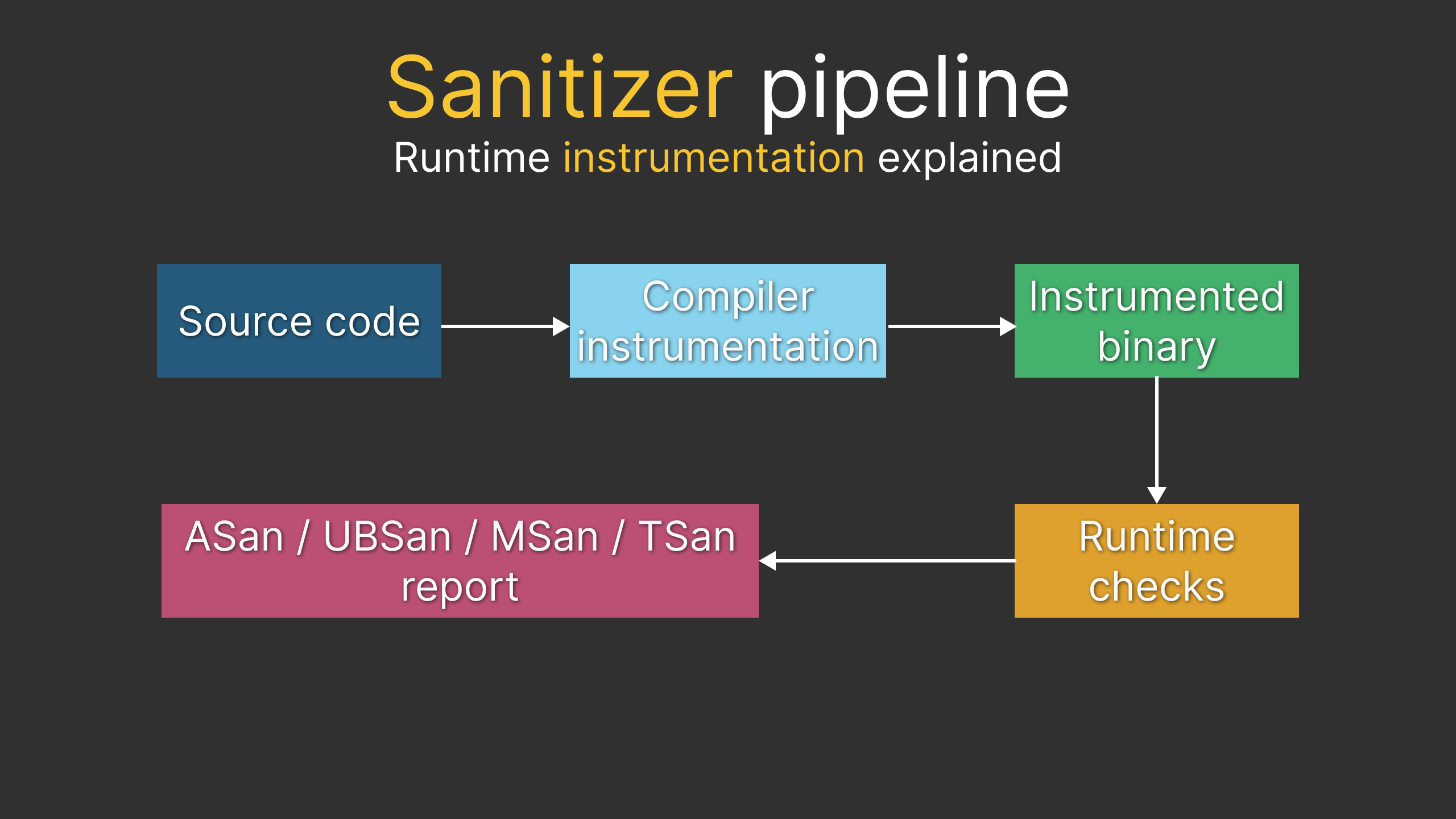
How C++ Sanitizers Work and Where They Miss Bugs
C++ sanitizers can detect memory errors, undefined behavior, uninitialized reads, and data races during execution. This article explains how the main sanitizers work, how ThreadSanitizer tracks happens-before relationships, and why good tests and realistic workloads are still essential.
-
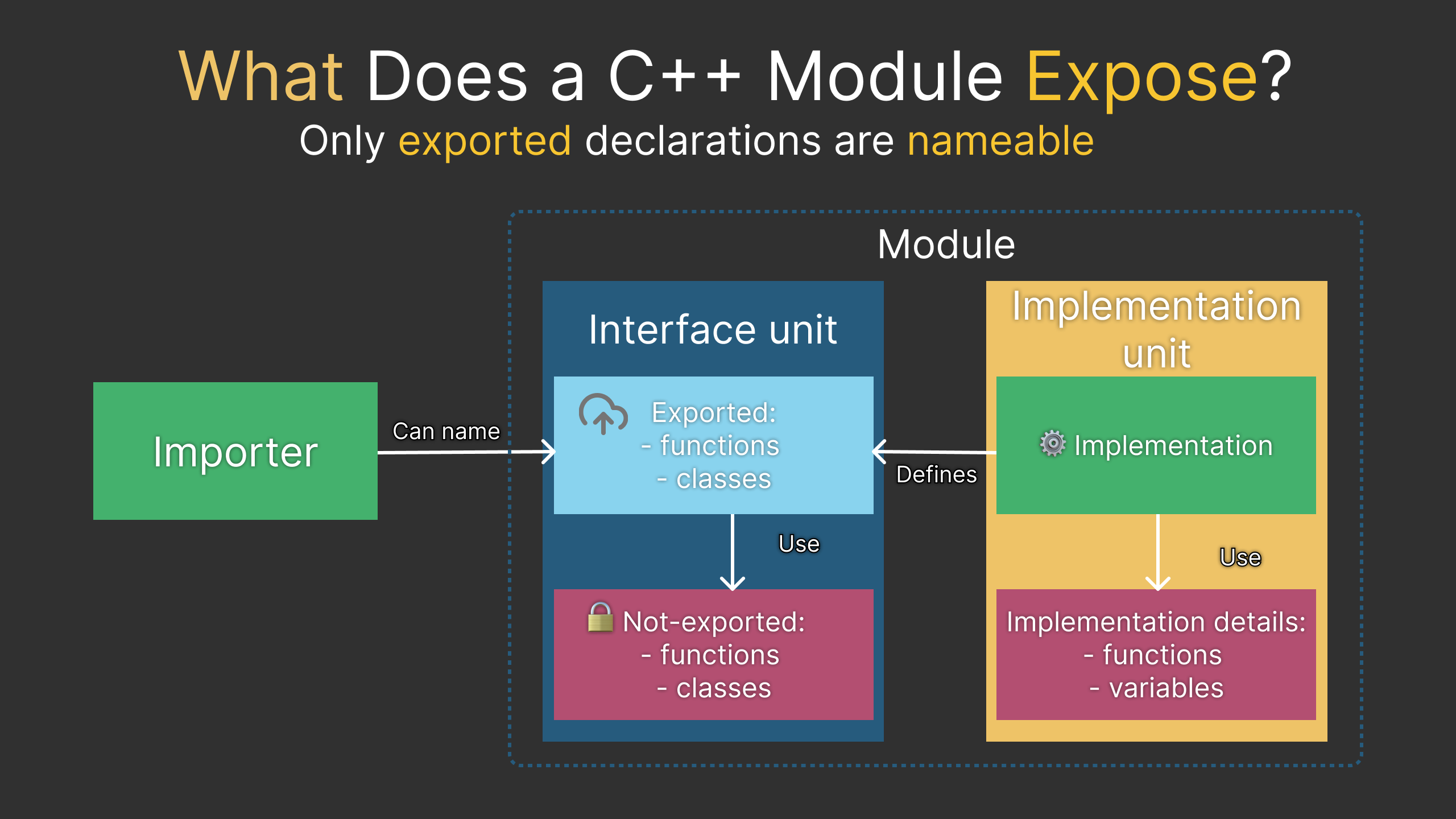
C++20 Modules Don’t Remove the Need for Good Interface Design
A practical look at how to prepare for C++ coding interviews without treating LeetCode as a replacement for real engineering work: train fast thinking, use modern STL, practice std::ranges, and turn interview preparation into useful daily C++ training.
-
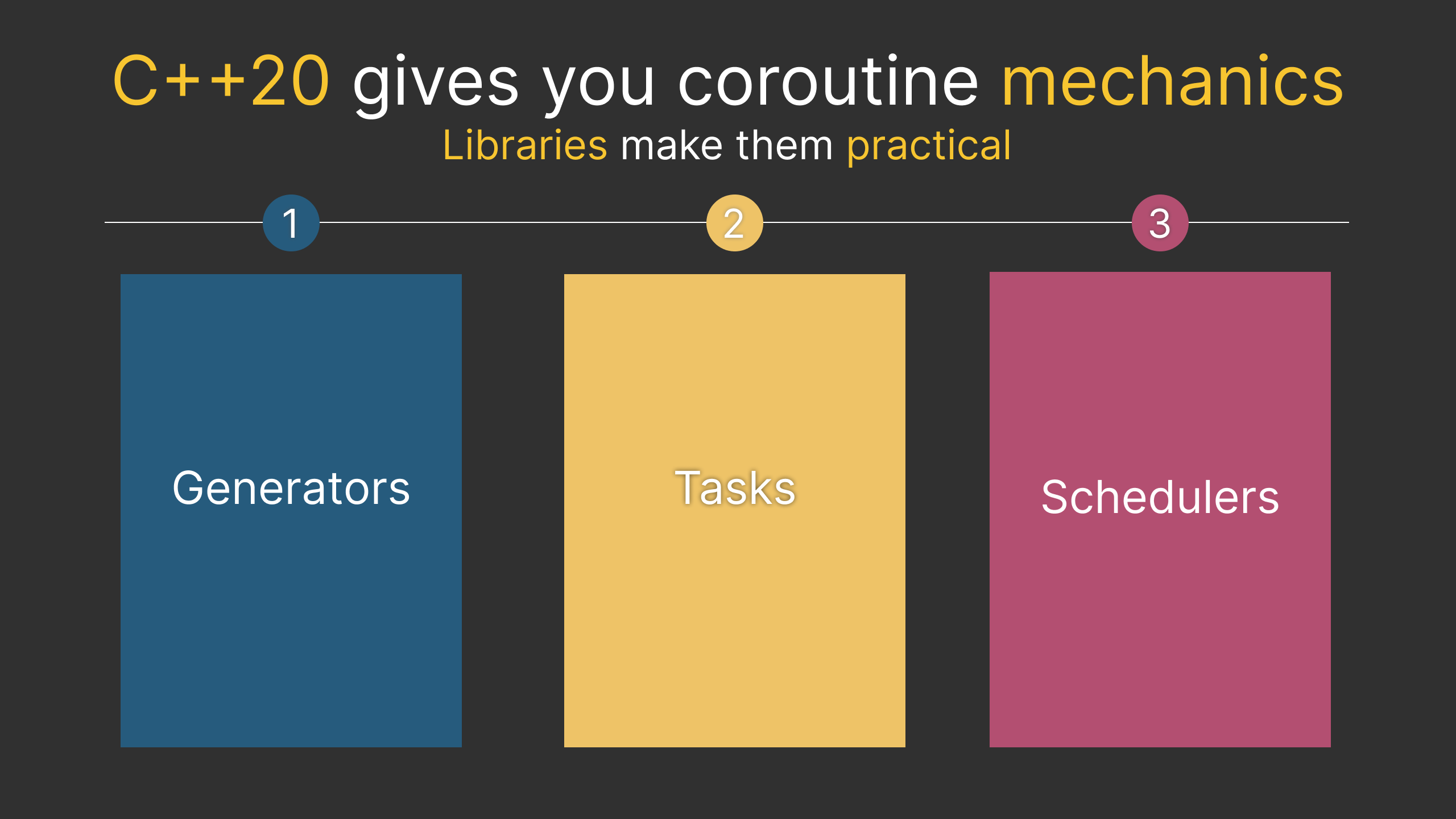
How to Make Coroutines Practical for C++ Projects
C++20 coroutines provide the low-level machinery for suspendable functions, but not a complete async runtime. This article explains what coroutines are, how std::generator makes lazy value generation practical, and how libraries such as libcoro provide tasks, schedulers, and thread pools for real projects.
-
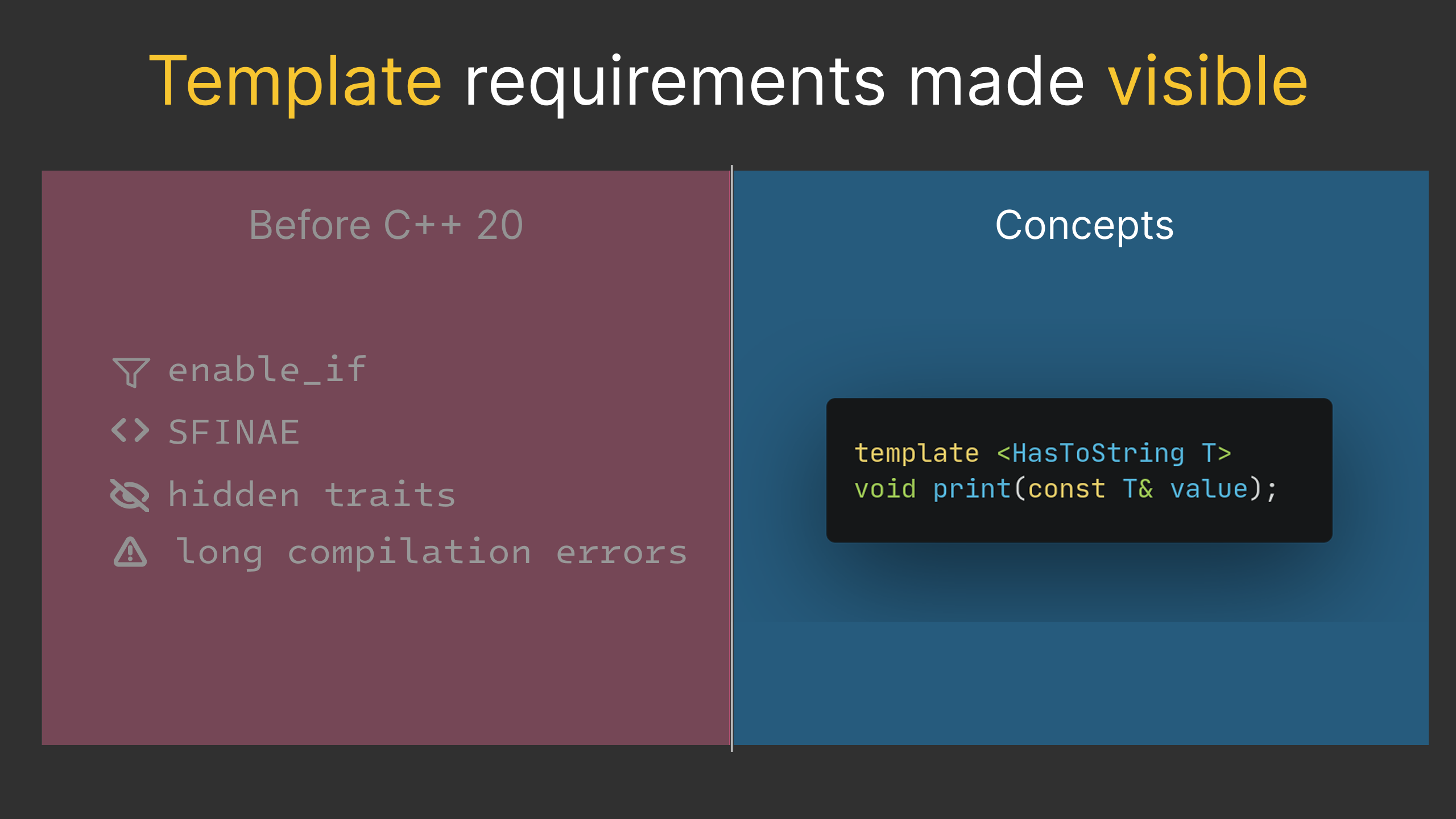
How C++20 Concepts Simplify Generic Programming
C++20 concepts make template requirements explicit, reusable, and easier to diagnose. This article explains how concepts improve generic code, participate in overload resolution, simplify class template specialization, and help build a clear vocabulary for type requirements.
-
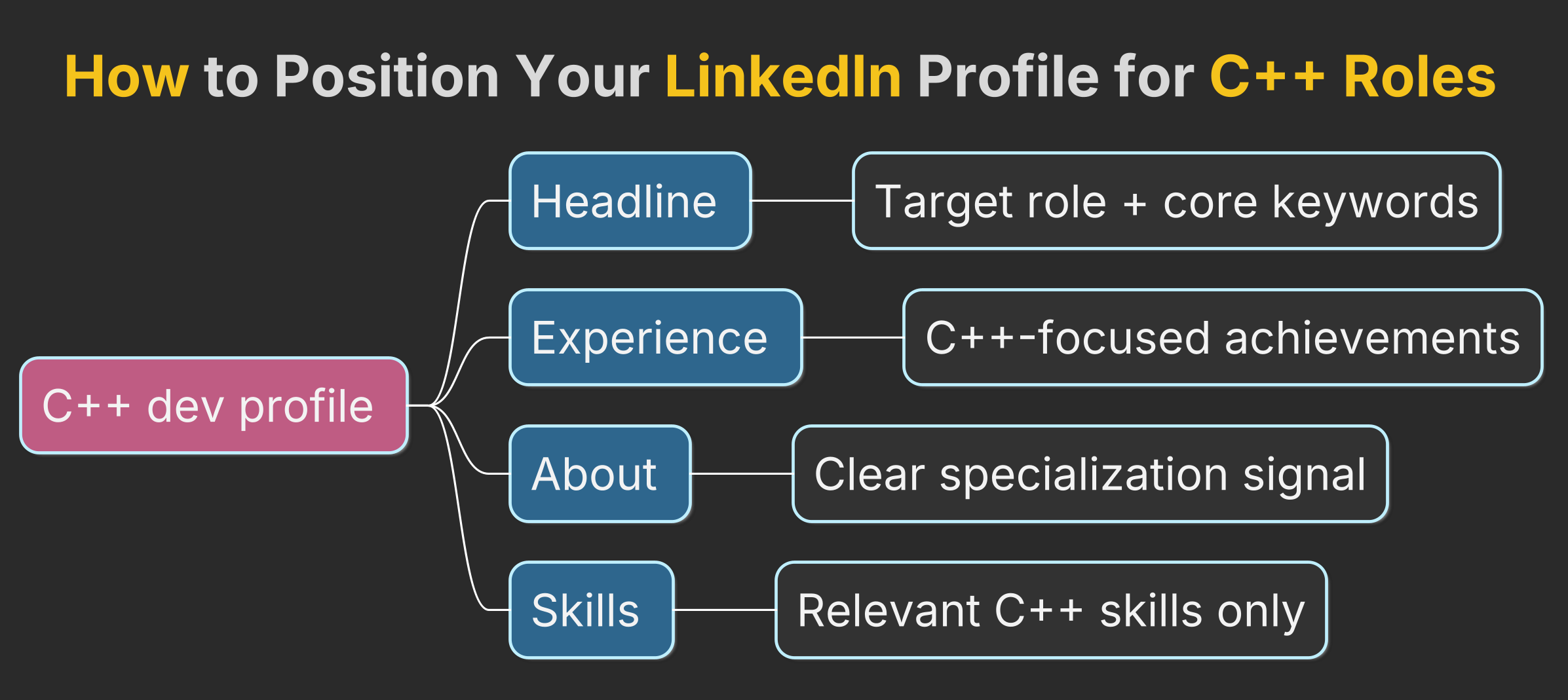
How to Get an Interview Invitation in 2026
Getting an interview invitation in 2026 is not only about sending more applications. This article explains why direct applications often work poorly, how recruiters search for candidates, and how proper LinkedIn positioning can make your profile easier to find and understand.
-
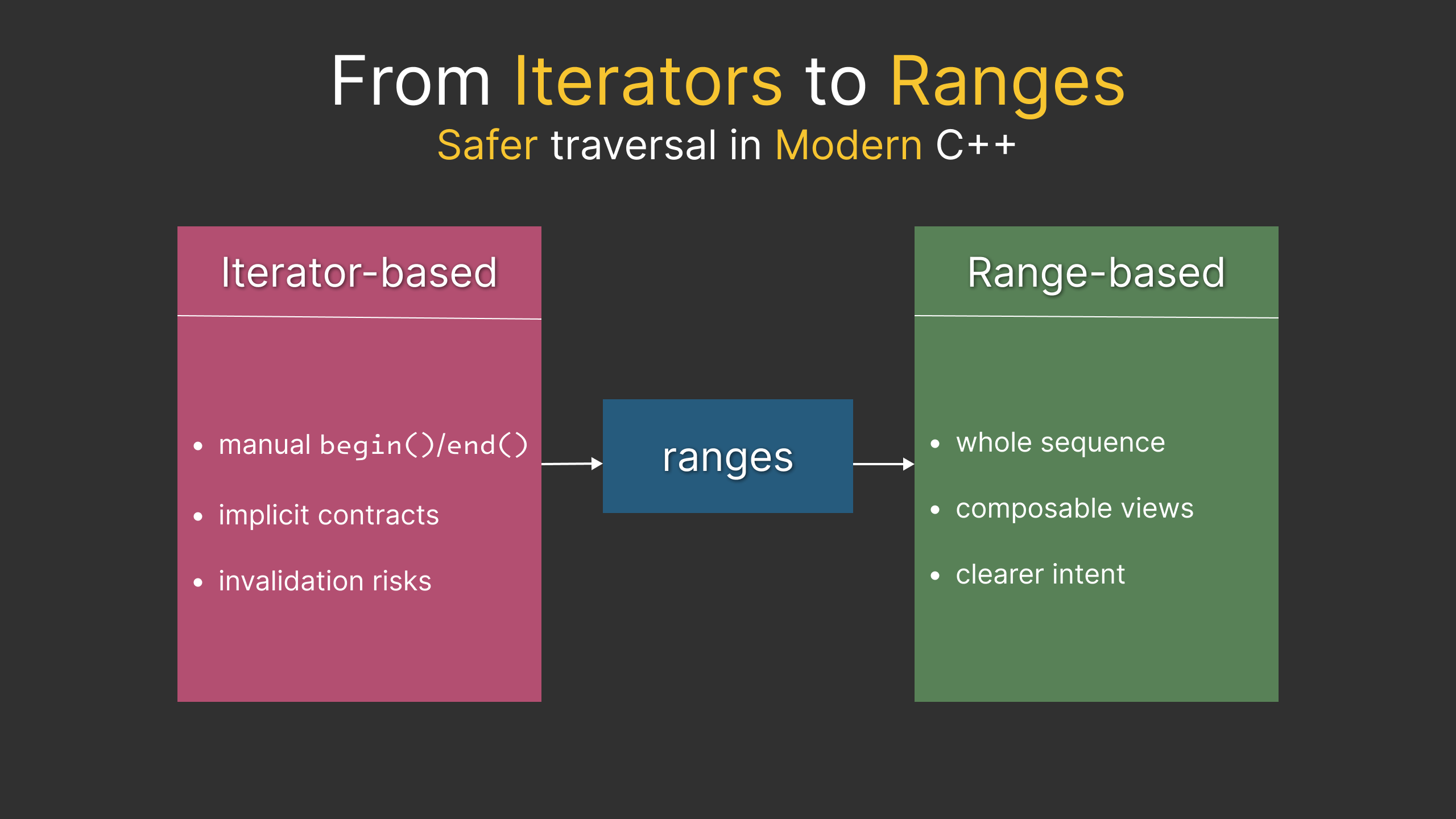
How C++ Ranges Make Iteration Less Error-Prone
C++ ranges and views make traversal code safer and more expressive by replacing manual iterator pairs with higher-level sequence abstractions. This article explains where iterator-based APIs become error-prone, how ranges reduce those risks, and why lifetime still matters.
-
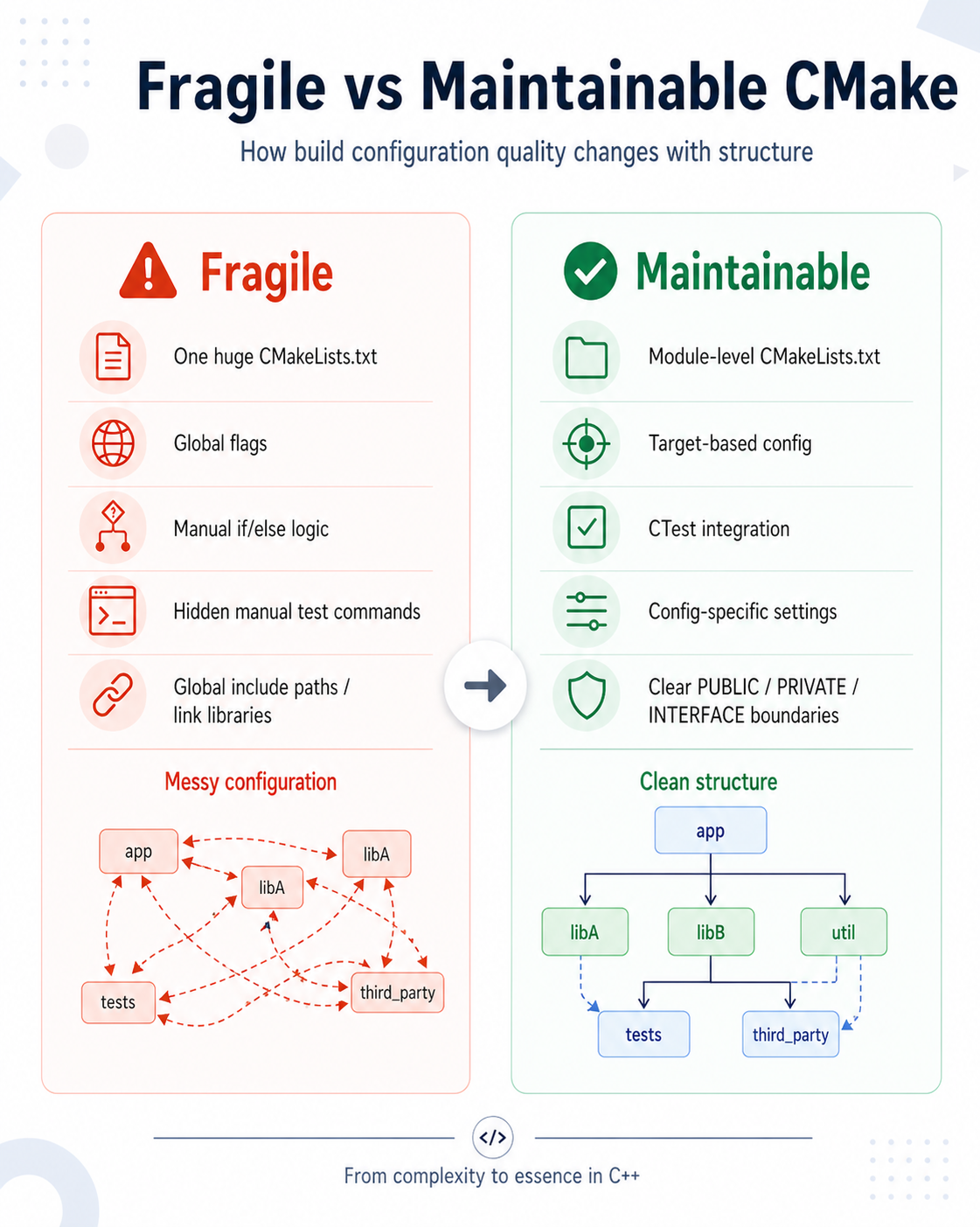
Top 5 CMake Mistakes That Make Your Configuration Fragile
A practical look at common CMake mistakes that make build configuration fragile: overloaded CMakeLists.txt files, manual compiler flags, ignored CTest infrastructure, unnecessary custom logic, and global commands that break target boundaries.
-
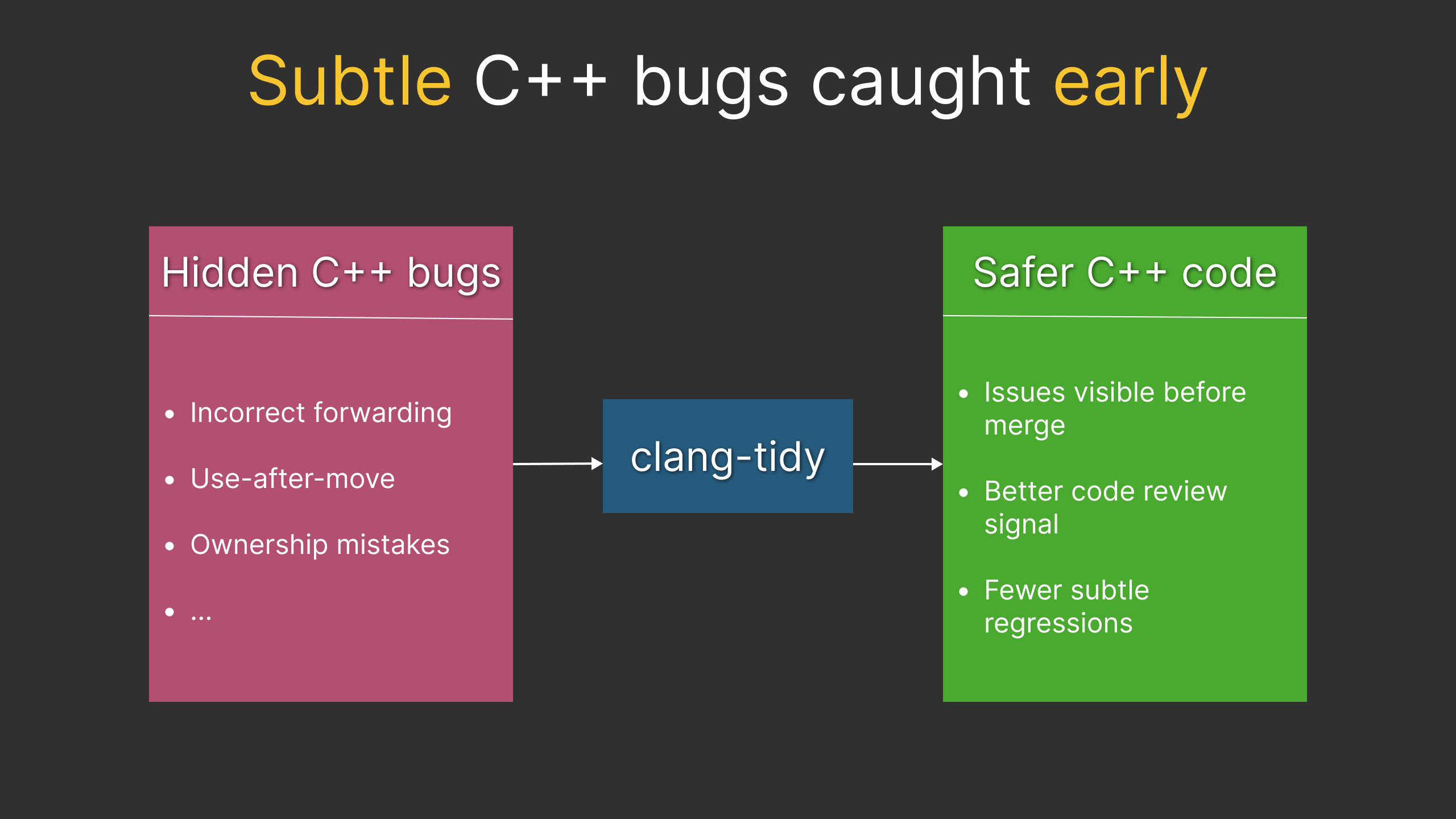
Why clang-tidy matters in real C++ projects — and how to set it up
C++ compiles many mistakes that are still expensive. This article shows how `clang-tidy` helps catch subtle language misuse early — and how to introduce it into a real project without chaos.
-
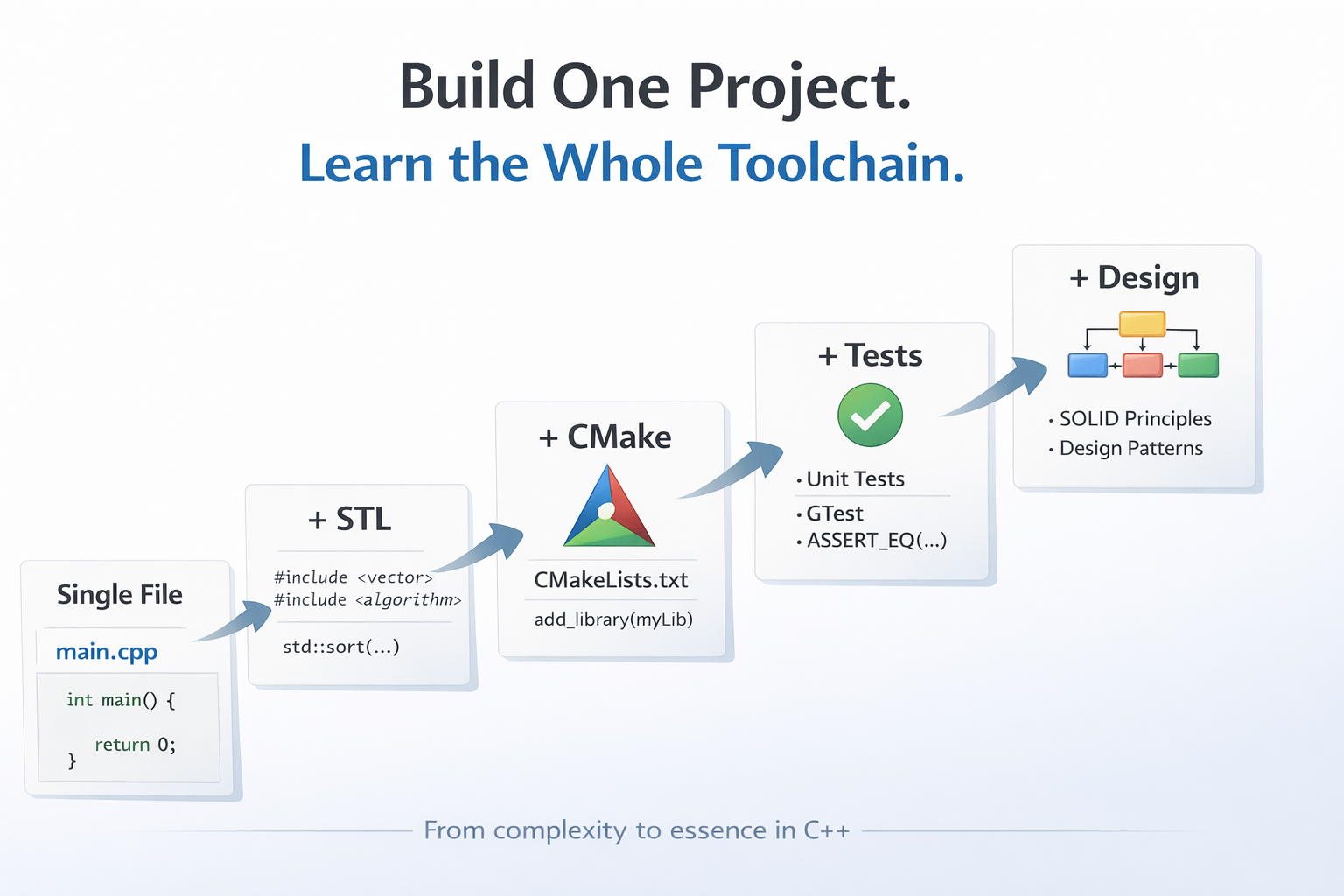
If I Had to Learn C++ Today, Here’s What I’d Do
A practical C++ learning path: what to learn first, what to postpone, and how to build real skills through one project.
-
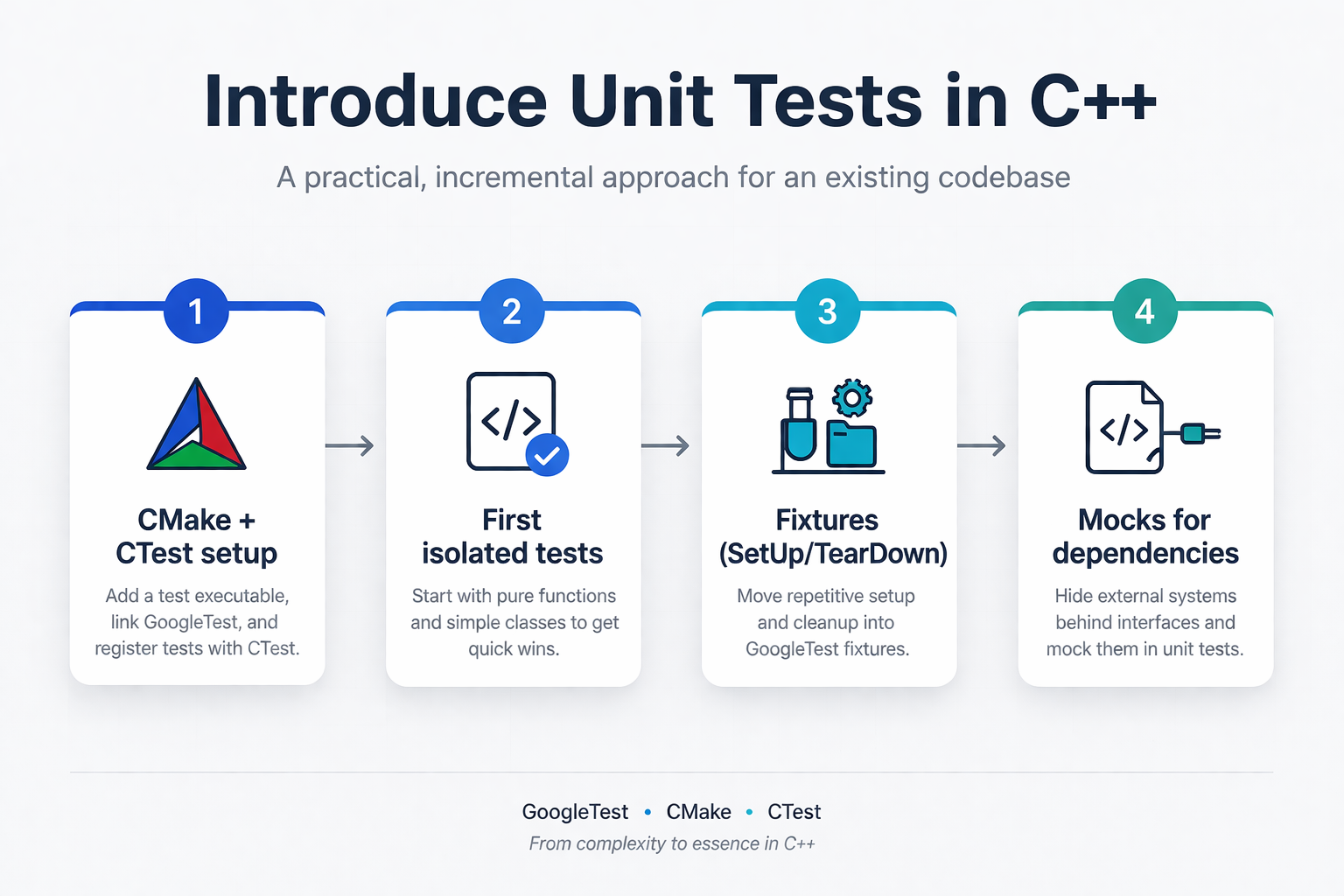
How to Introduce Unit-Tests in Your Project
Unit tests don’t have to be a “big rewrite.” This article shows a practical way to introduce unit tests into an existing C++ project: integrate GoogleTest with CMake/CTest, start with isolated code, scale with fixtures, and mock external dependencies without turning your codebase upside down.
-
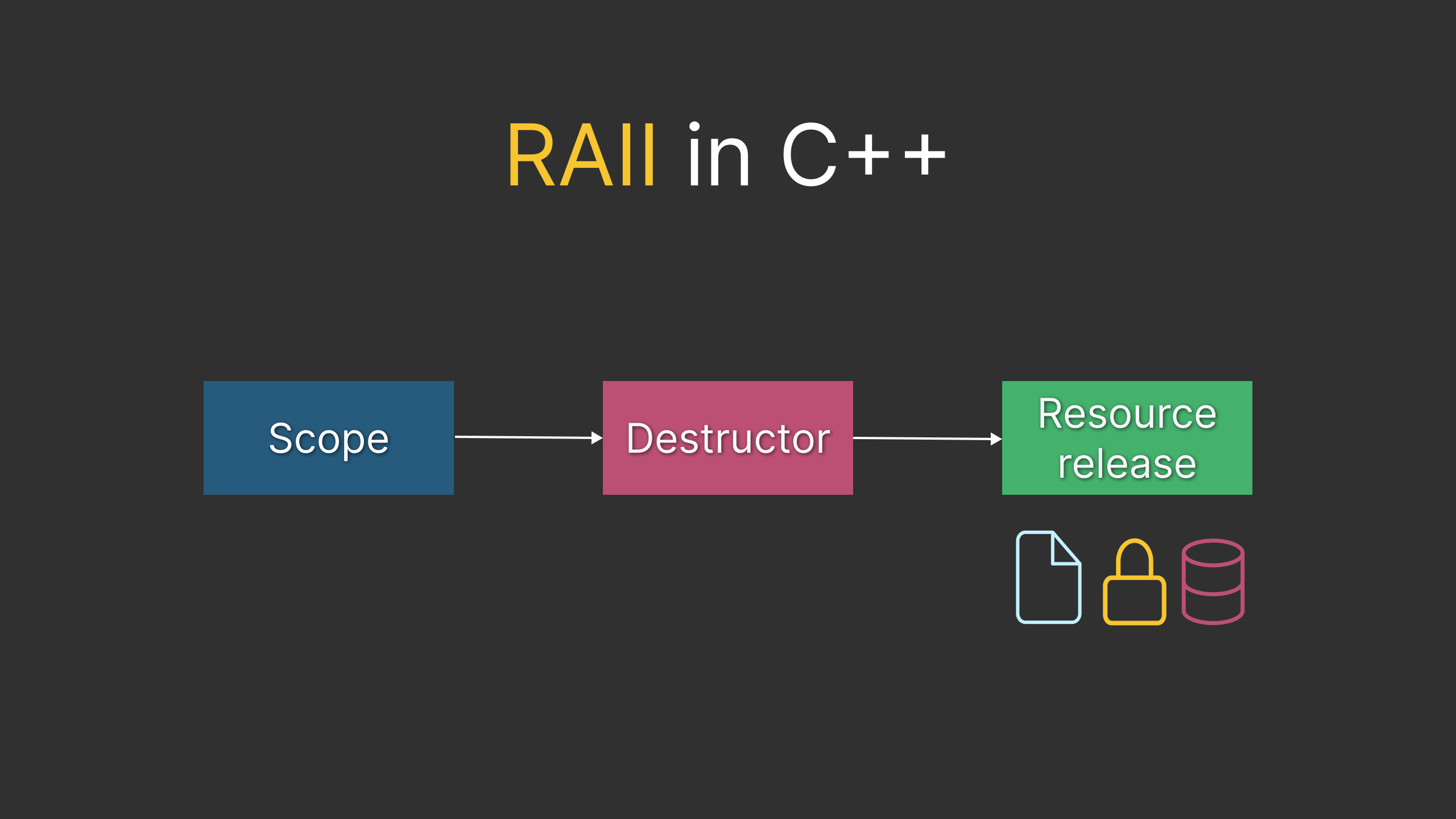
RAII in C++
Learn why RAII makes resource management automatic and exception-safe, and how unique_ptr, containers, and other RAII types lead to the Rule of Zero.
-
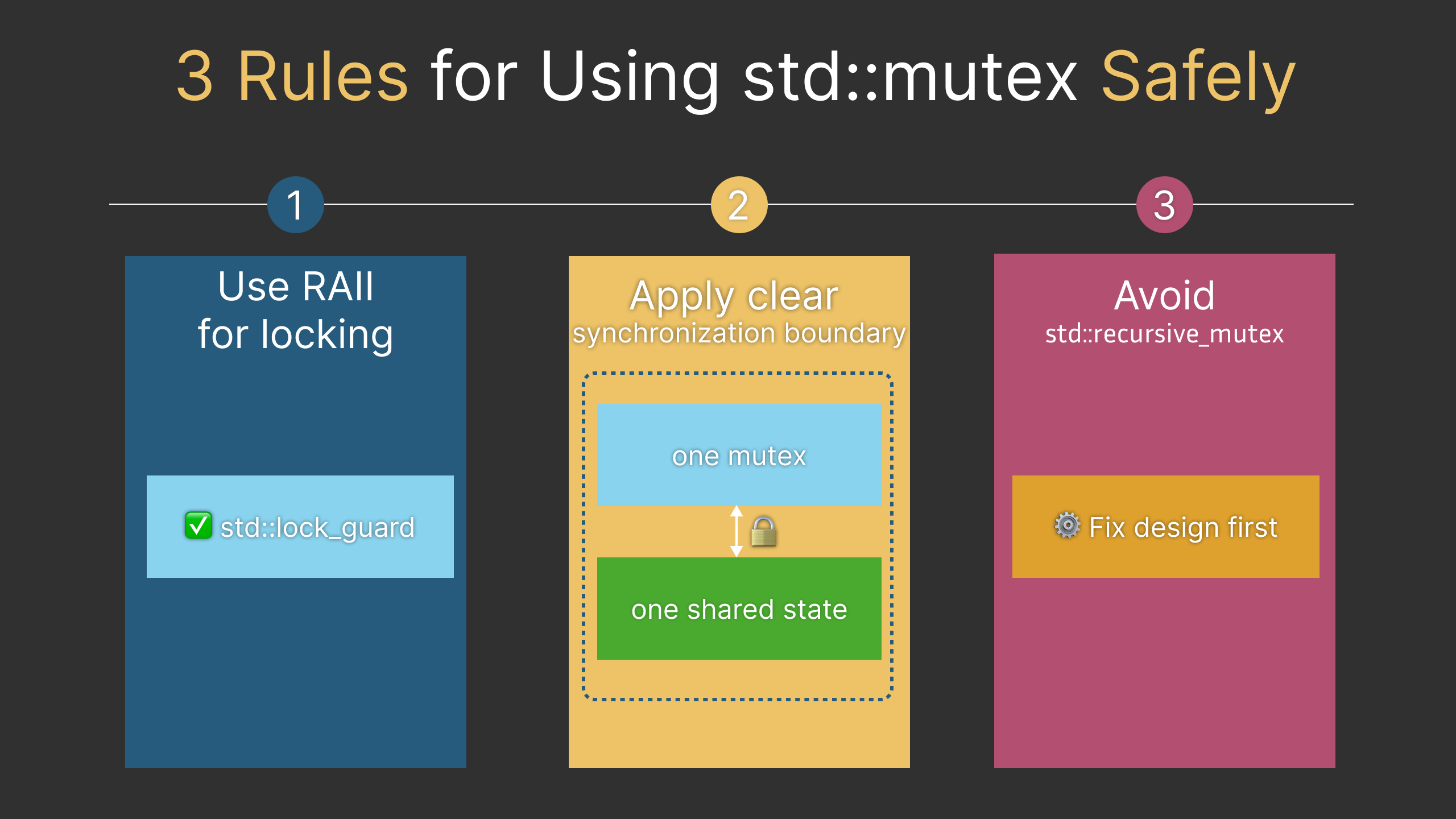
std::mutex Isn’t Enough: 3 Rules for Using It Safely
Adding std::mutex does not automatically make C++ code thread-safe. This article breaks down three practical rules for using std::mutex safely: rely on RAII, keep synchronization boundaries explicit, and treat std::recursive_mutex as a design smell before treating it as a solution.
-
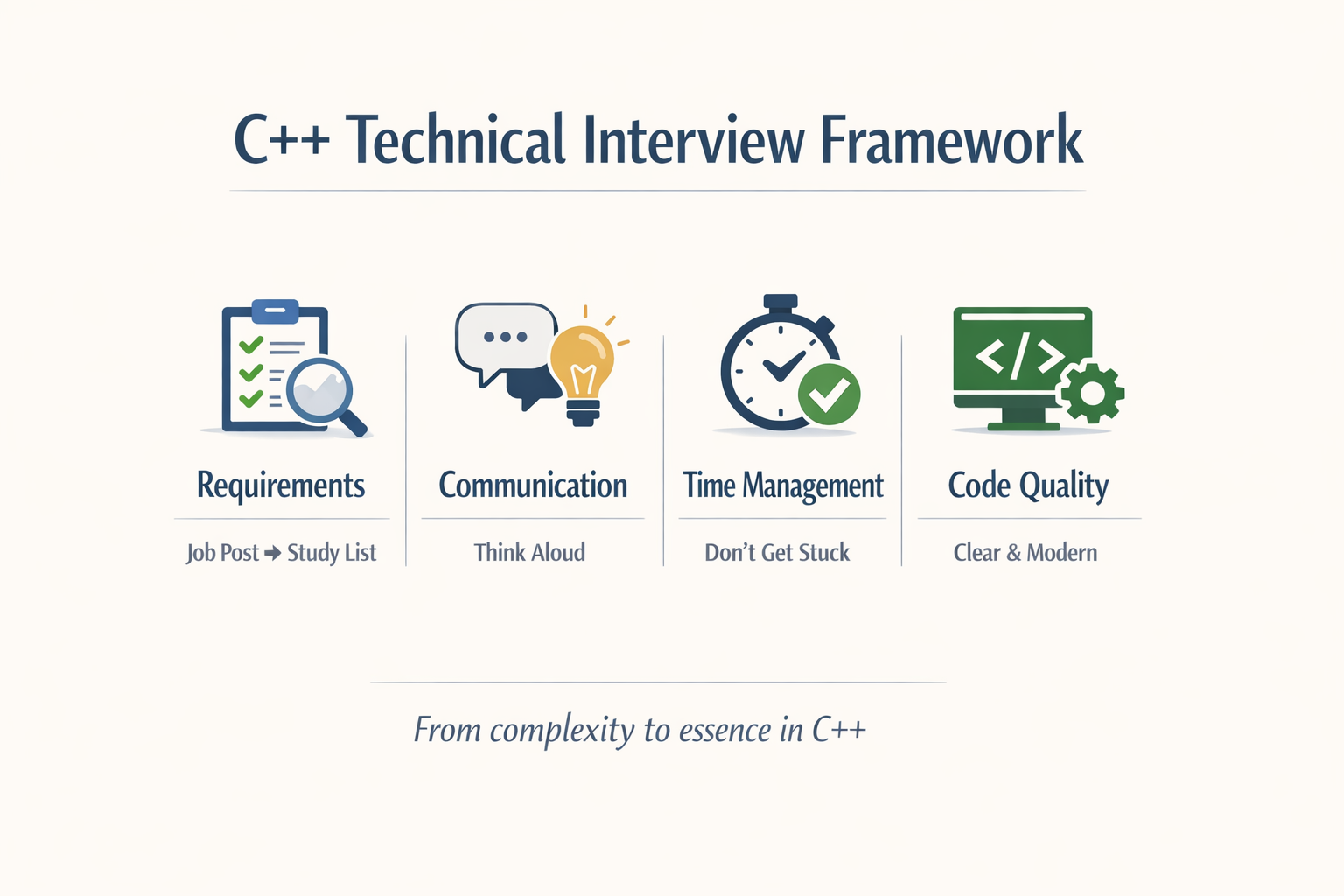
From Stress to Structure: A Practical C++ Interview Framework
A technical interview can feel chaotic: time pressure, unfamiliar people, and the need to explain your thinking clearly. This article turns that complexity into a simple C++ interview framework: what interviewers evaluate, how to communicate, how to manage time, and what “clean modern code” should look like under pressure.
-
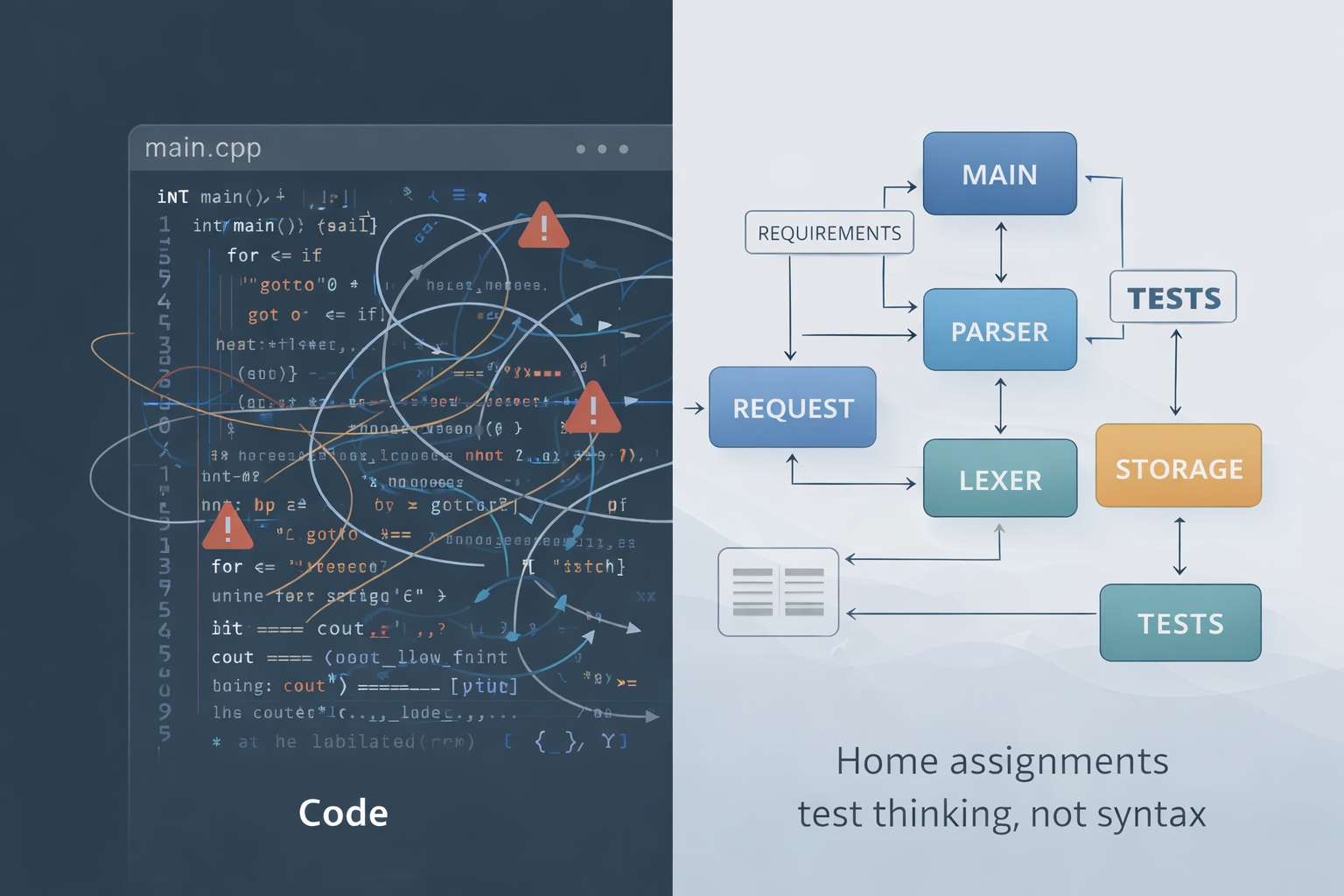
Most C++ home assignments aren’t about writing code.
Most C++ home assignments aren’t really about writing code. They’re about how you think, structure a solution, and communicate trade-offs. This article explains what interviewers actually look for — and how to approach take-home tasks like a real engineer, not a LeetCode machine.
-
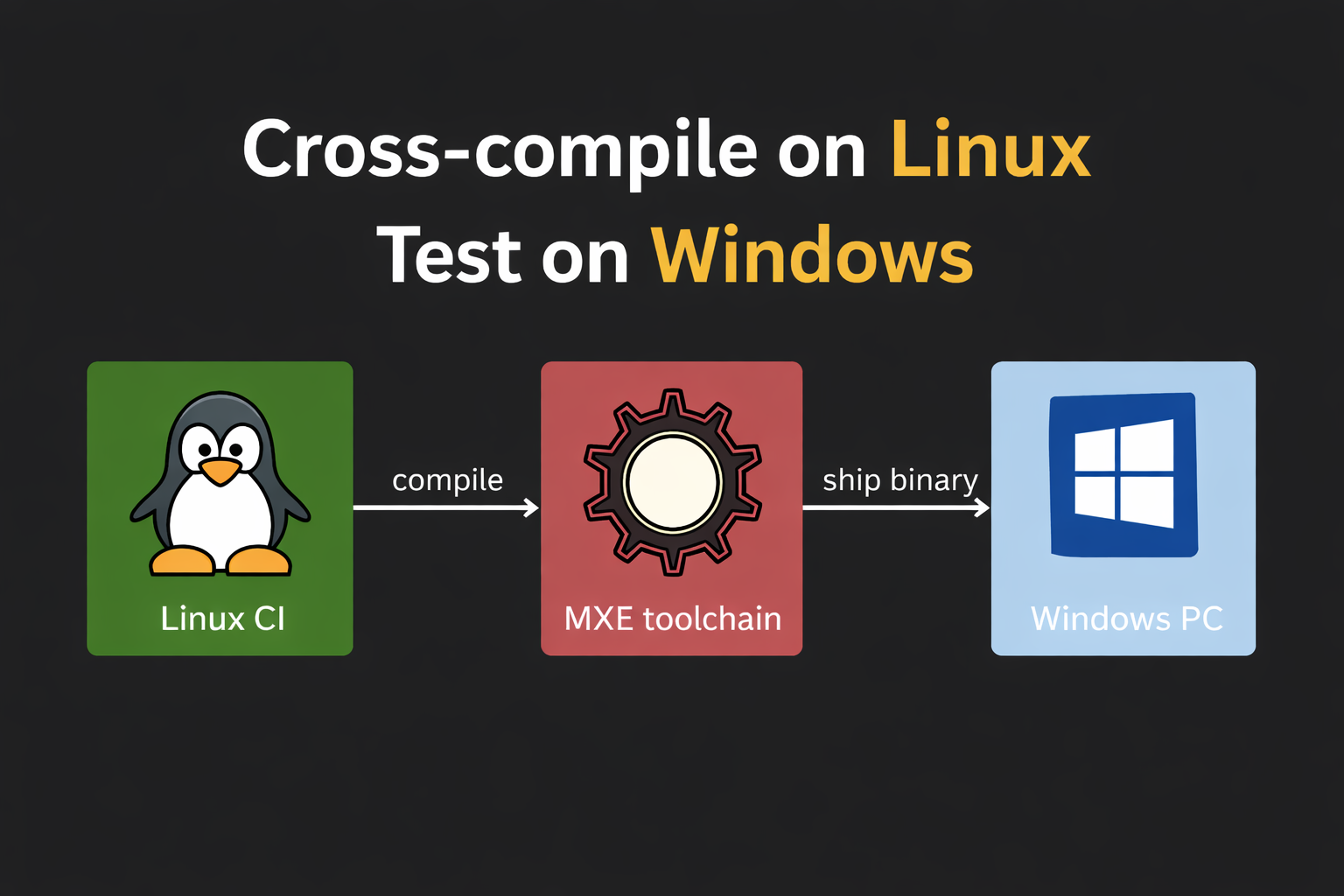
Cross-compilation for Windows. Why not?
Build Windows binaries from Linux without maintaining a full Windows build environment. MXE + Docker setup, toolchain builds, and shipping DLL dependencies.