Practical C++
Beyond Syntax
In-depth articles, practical guides, and real-world advice for C++ developers who care about building maintainable, tested, and well-structured software.
Build a Real C++ Application – Get the Book →What you will find here?
Modern C++
Modern language features, abstractions, and best practices.
CMake & Build Systems
Structure projects with modern CMake and build them the right way.
Testing & Code Quality
Tests, static analysis, sanitizers, and quality gates that actually work.
Concurrency
Understand synchronization, avoid pitfalls, and design for correctness.
Career & Interviews
Practical advice for getting noticed and passing C++ technical interviews.
Architecture & Projects
From design and ownership to real projects that bring everything together.
Practical C++ Articles
Deep dives into C++ and software engineering topics with examples, explanations, and real-world context.
Free Practical C++ Guides
Focused PDF guides that turn complex topics into practical workflows you can apply right away.
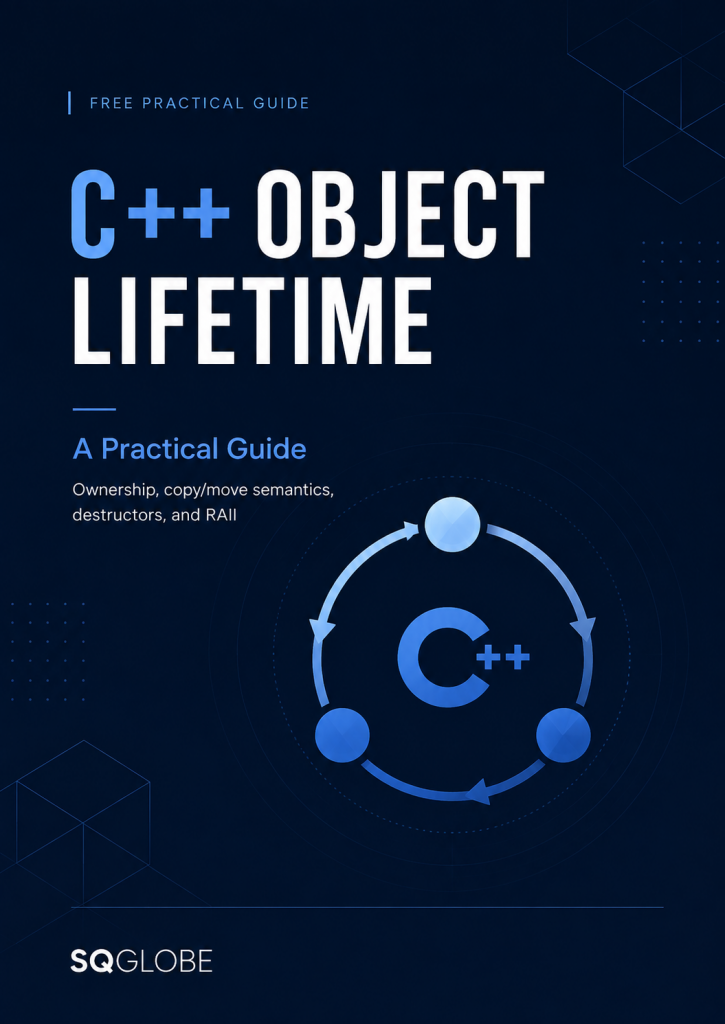
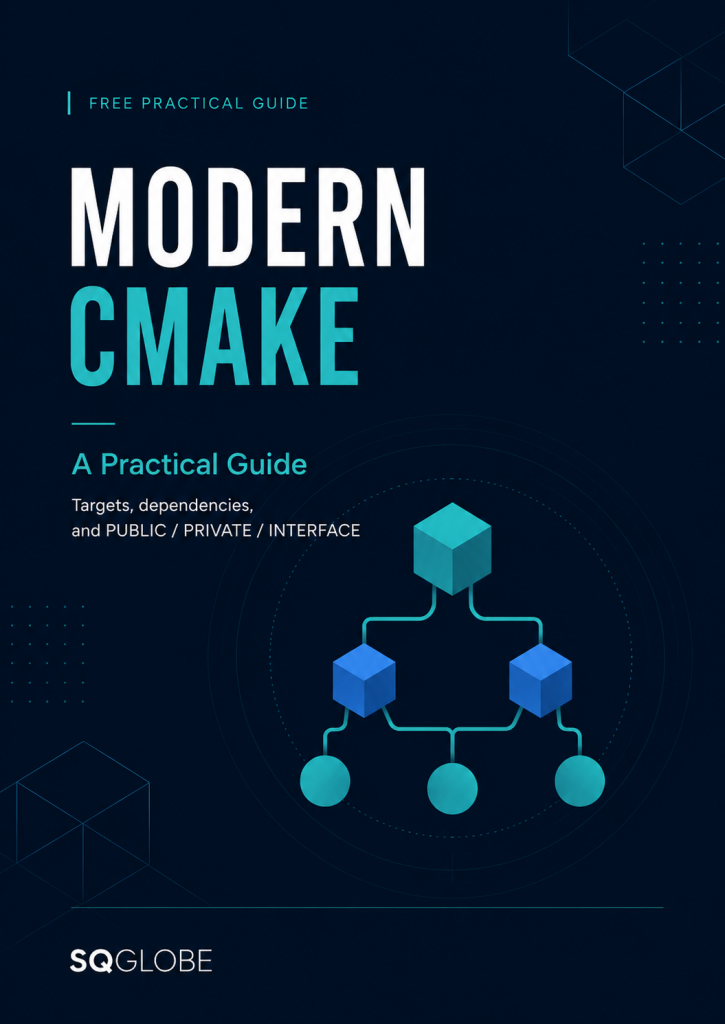
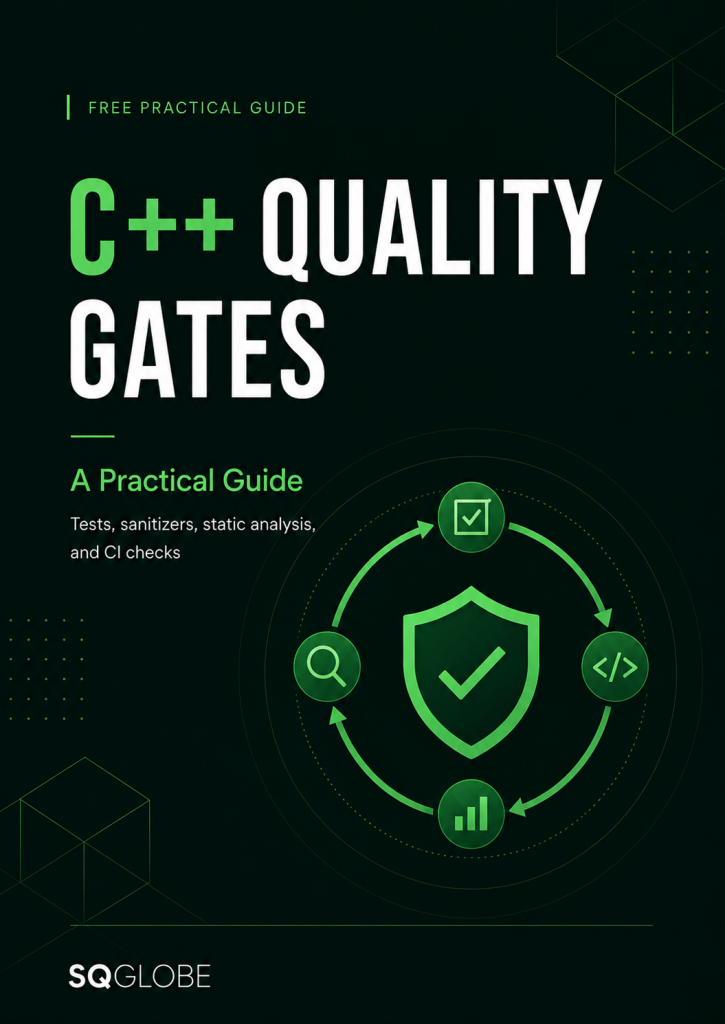
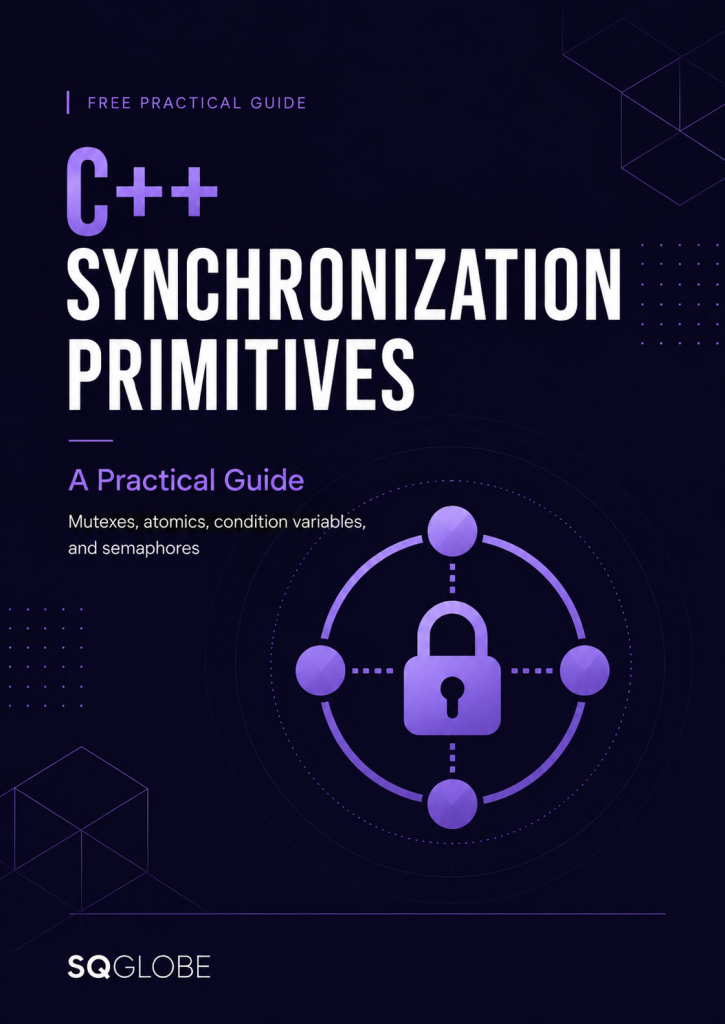

Ready to Put the Pieces Together?
Articles and guides help you understand individual topics. No More Helloworlds shows how everything fits together in a complete C++ application: architecture, CMake, testing, ownership, Git, and CI.
- Real project, step by step
- Modern CMake from the ground up
- Testing with GoogleTest
- Resource management & ownership
- Git workflow and CI with GitHub Actions