-
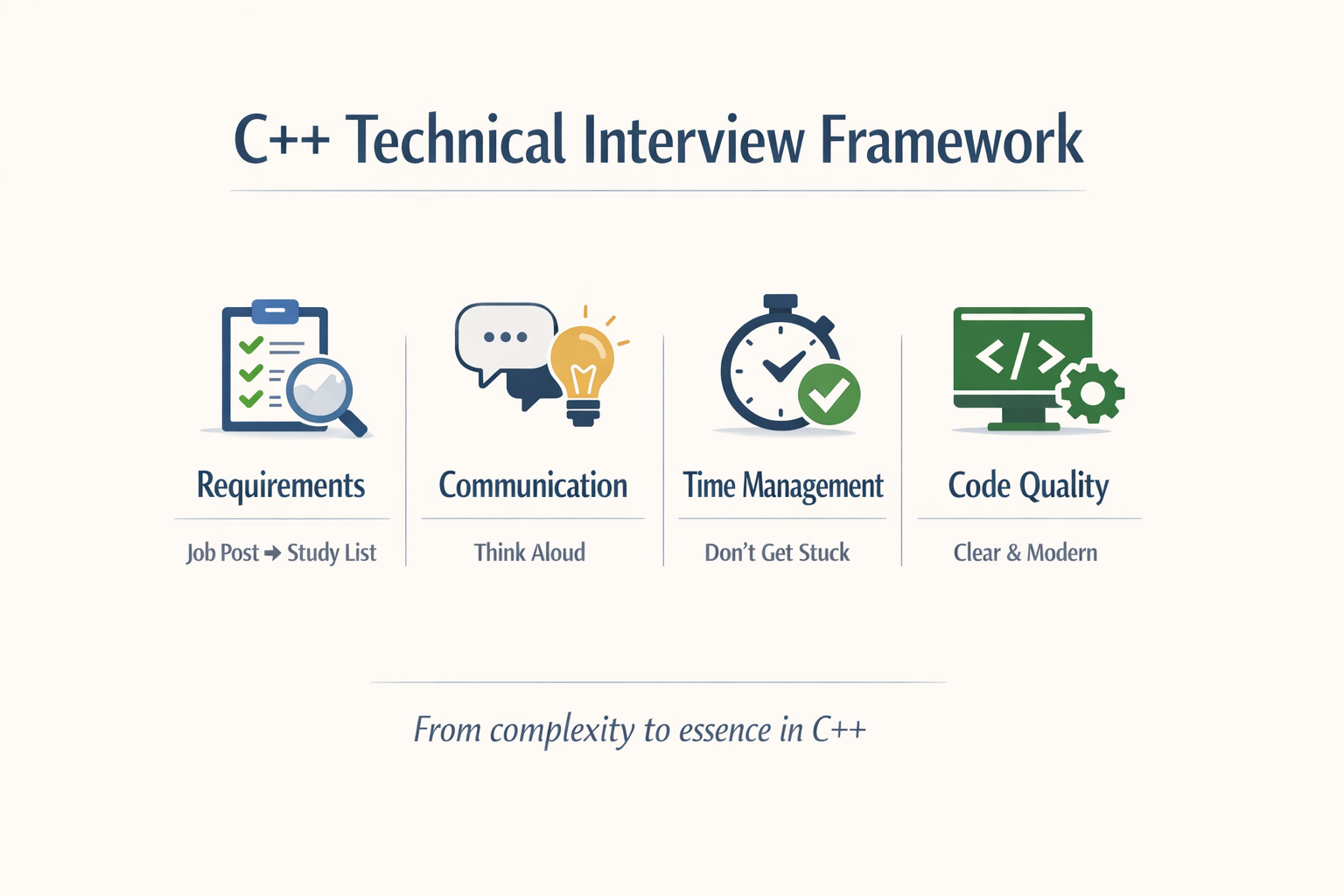
From Stress to Structure: A Practical C++ Interview Framework
A technical interview can feel chaotic: time pressure, unfamiliar people, and the need to explain your thinking clearly. This article turns that complexity into a simple C++ interview framework: what interviewers evaluate, how to communicate, how to manage time, and what “clean modern code” should look like under pressure.
-
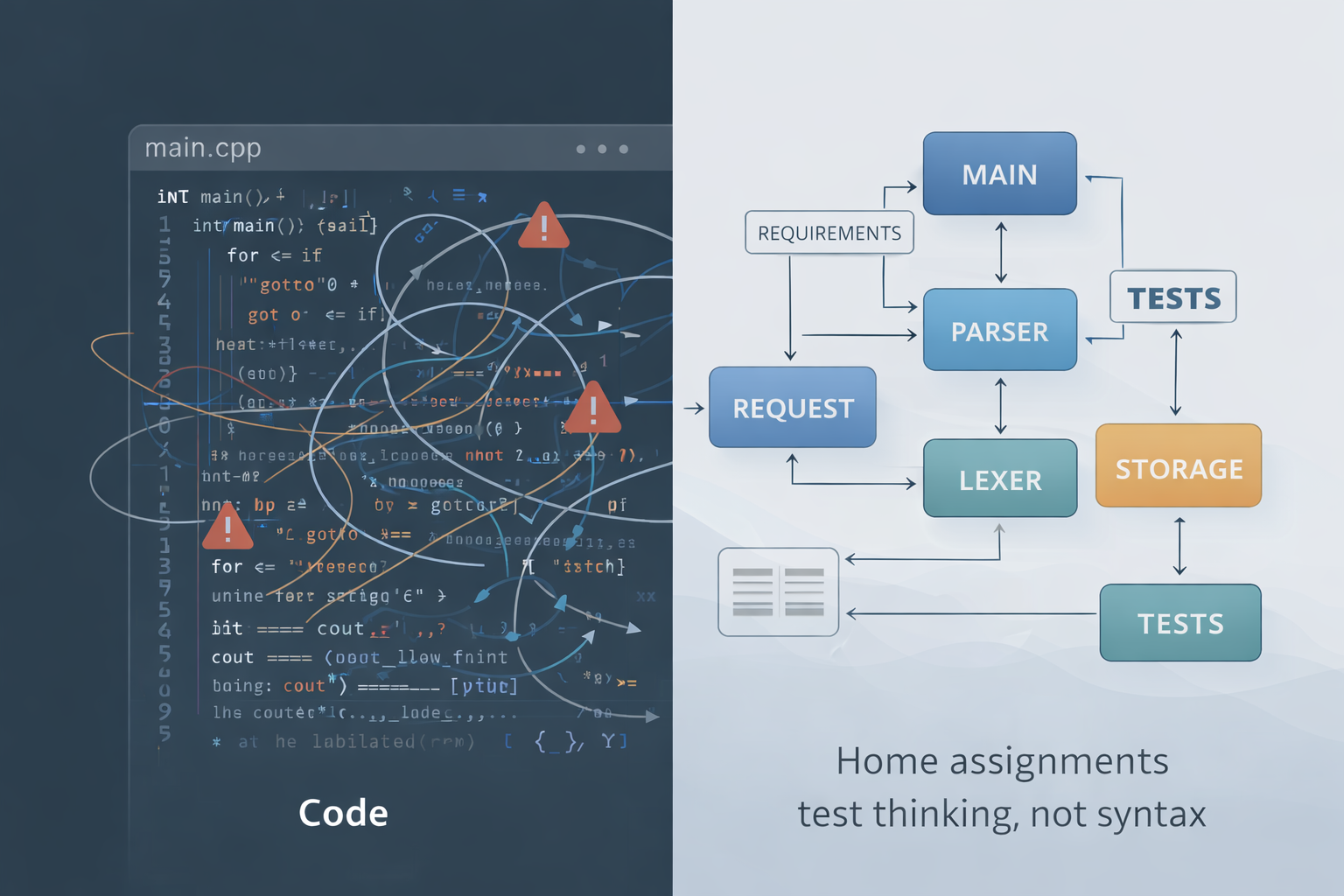
Most C++ home assignments aren’t about writing code.
Most C++ home assignments aren’t really about writing code. They’re about how you think, structure a solution, and communicate trade-offs. This article explains what interviewers actually look for — and how to approach take-home tasks like a real engineer, not a LeetCode machine.
-
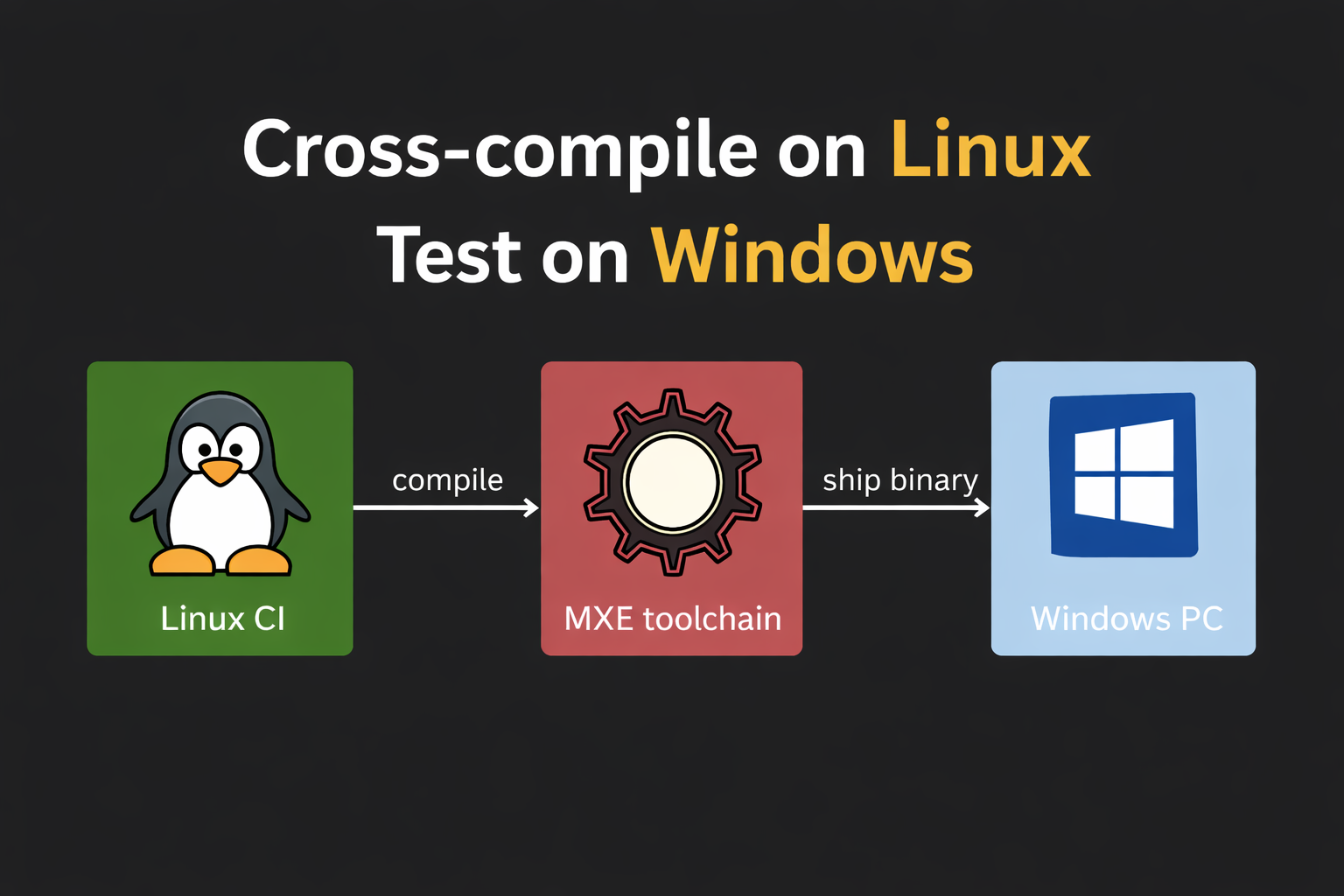
Cross-compilation for Windows. Why not?
Build Windows binaries from Linux without maintaining a full Windows build environment. MXE + Docker setup, toolchain builds, and shipping DLL dependencies.
-
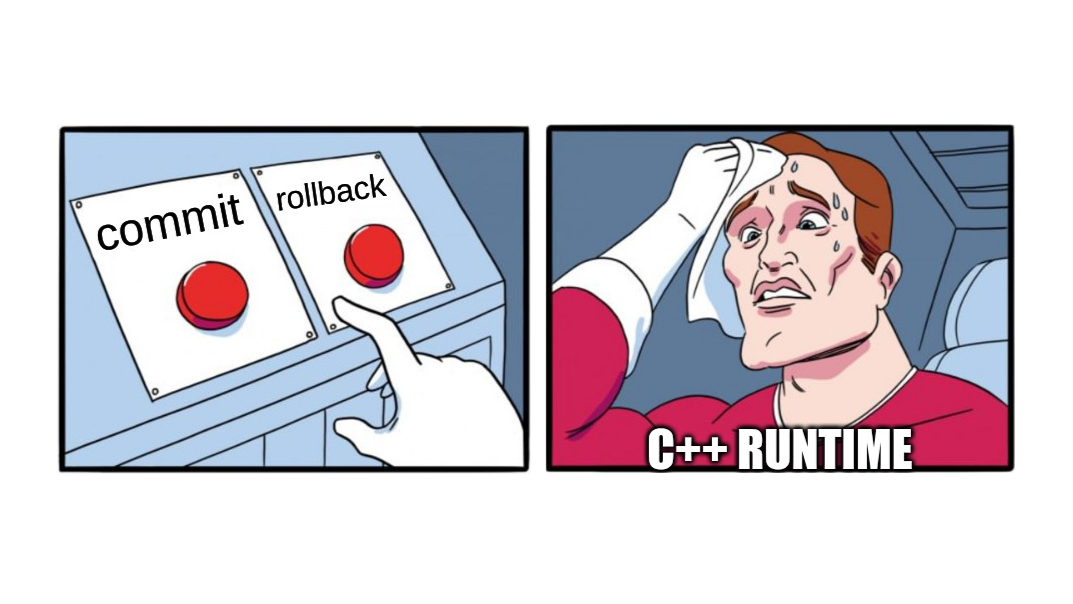
C++ Transactional Memory
Transactional memory looks like an elegant solution to concurrency problems — but in C++, it comes with serious trade-offs. This article walks through GCC’s transactional memory implementation, explains how atomicity and rollback work in practice, and compares performance against mutex-based solutions. You’ll learn when transactional memory simplifies concurrent code — and when it makes things…
-
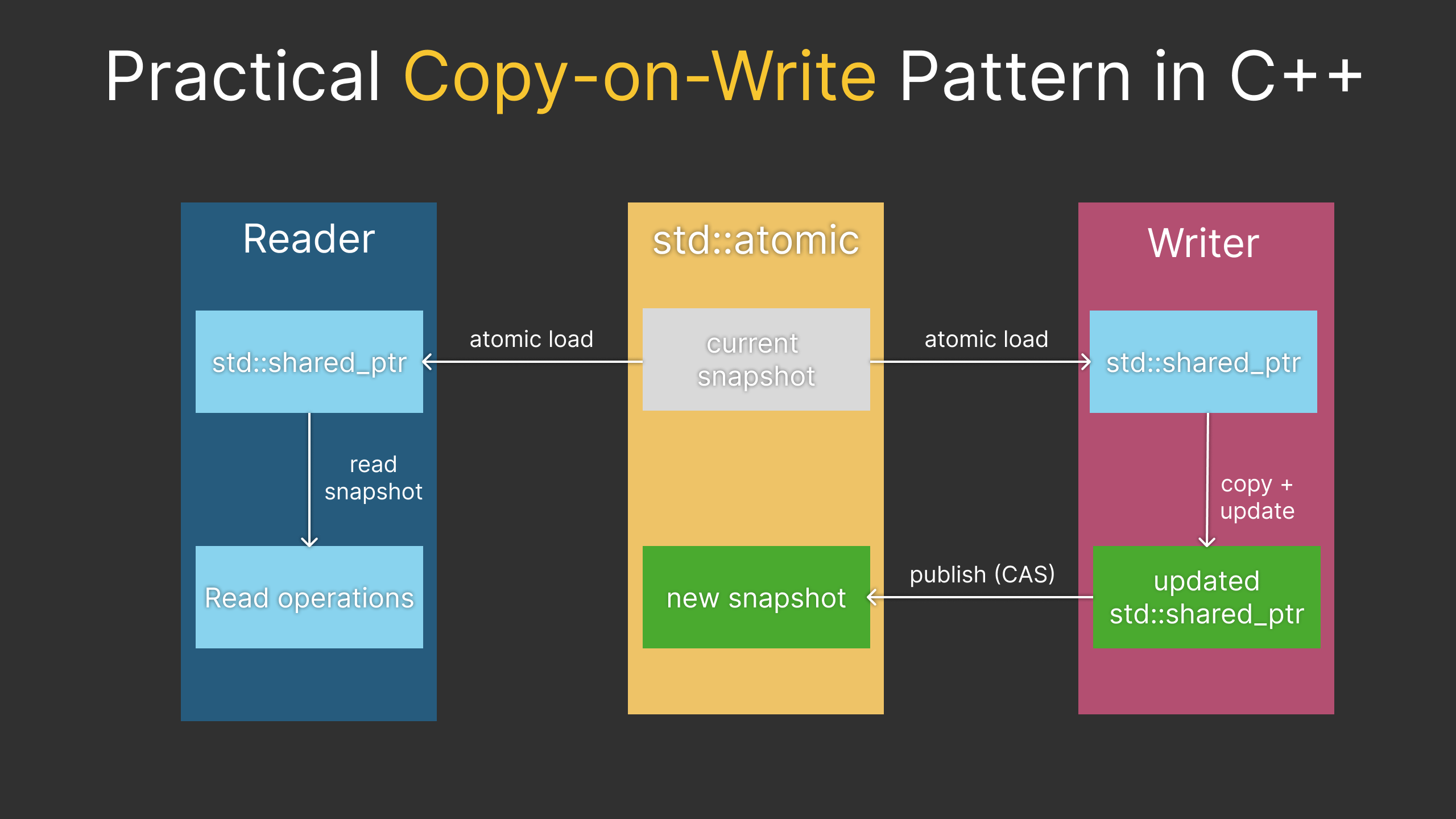
From Mutexes to Snapshots: Copy-on-Write for Read-Mostly Data in C++
When reads dominate writes, a mutex can turn into a scalability bottleneck. This article explains a simple copy-on-write “snapshot” pattern for C++20 using std::atomic: lock-free reads in user code, safe atomic updates for writers, and the trade-offs that decide when this approach is worth it.
-
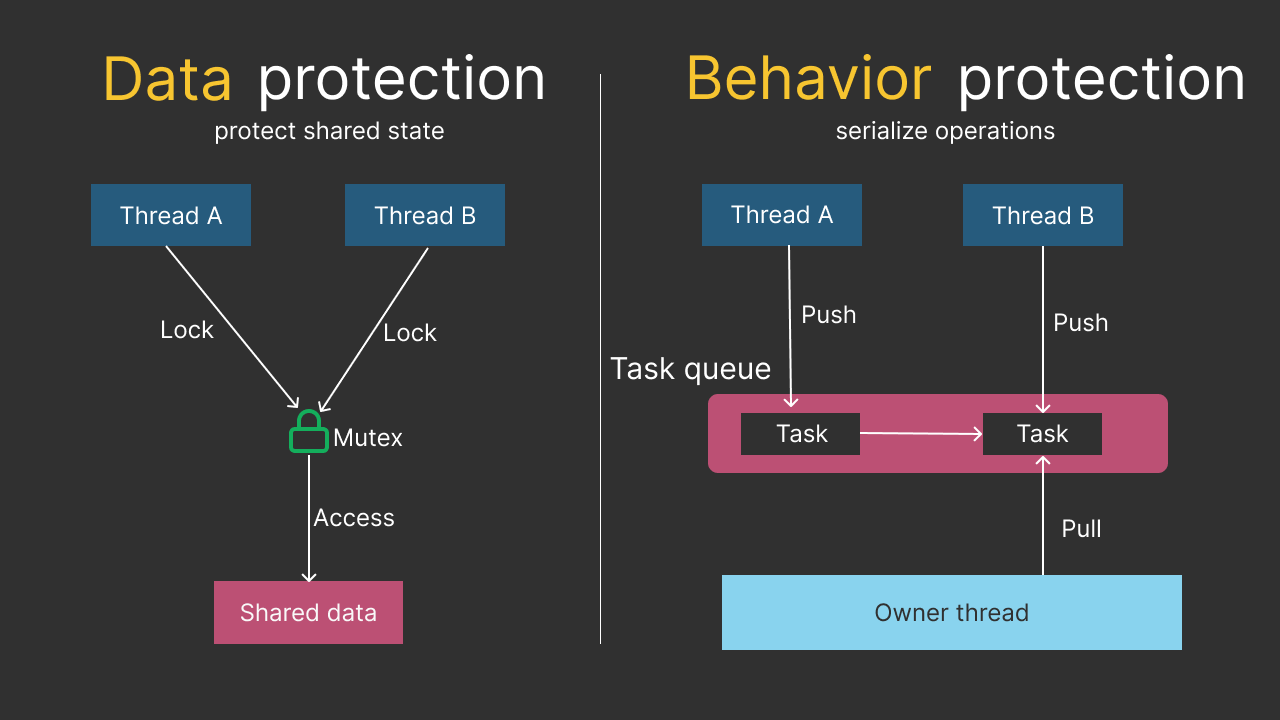
Protecting Data vs Protecting Behavior in C++ Concurrency
Mutexes protect data. Actor-like queues protect behavior. Here’s why the second approach often makes correctness easier—and when it’s the wrong choice.
-
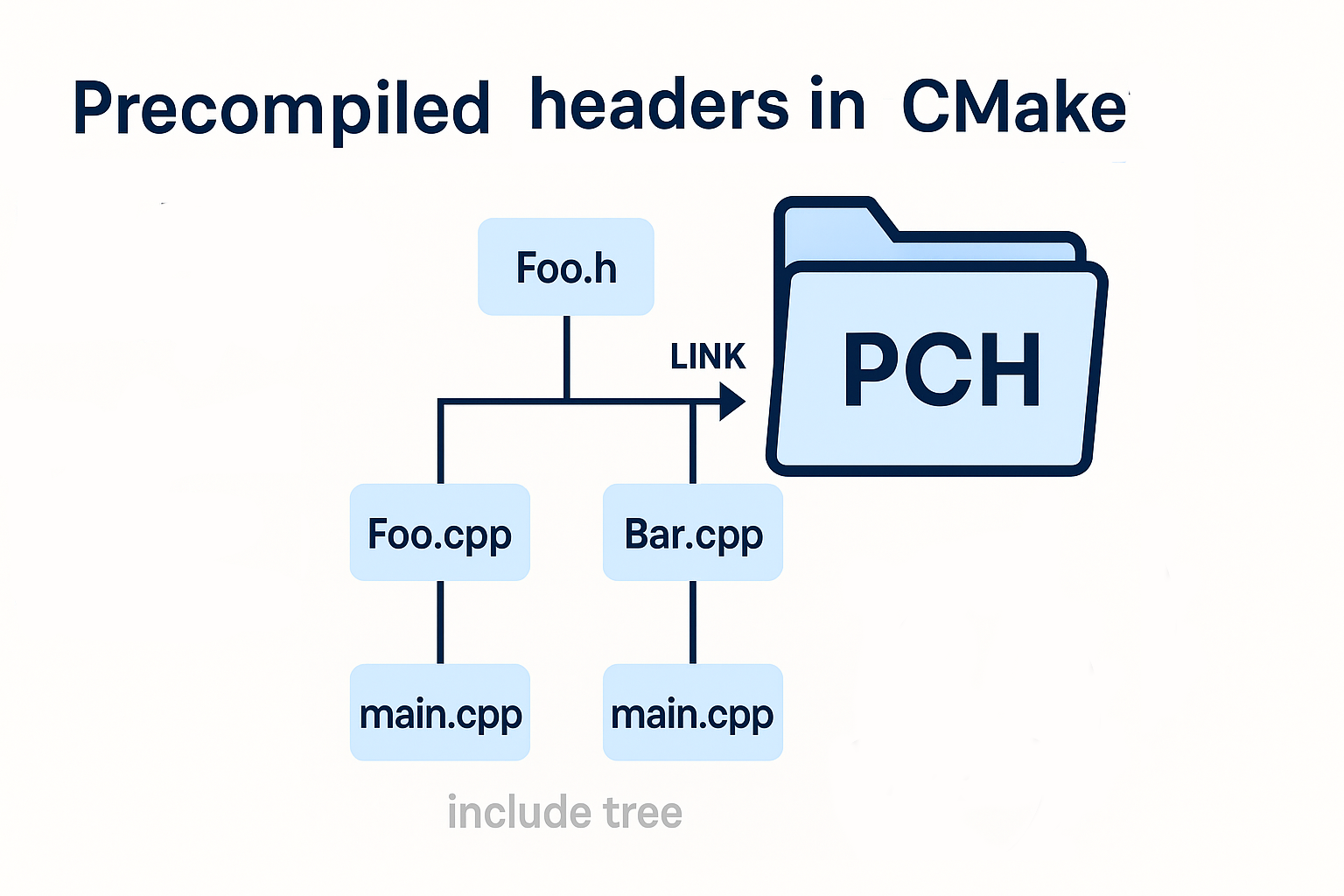
Precompiled headers in CMake? Easy peasy, lemon squeezy
Precompiled headers are a powerful way to reduce compilation time in C++ projects. The best part is that modern CMake supports them out of the box. In this article, I’ll show you how to set up your CMake project to take advantage of precompiled headers.
-
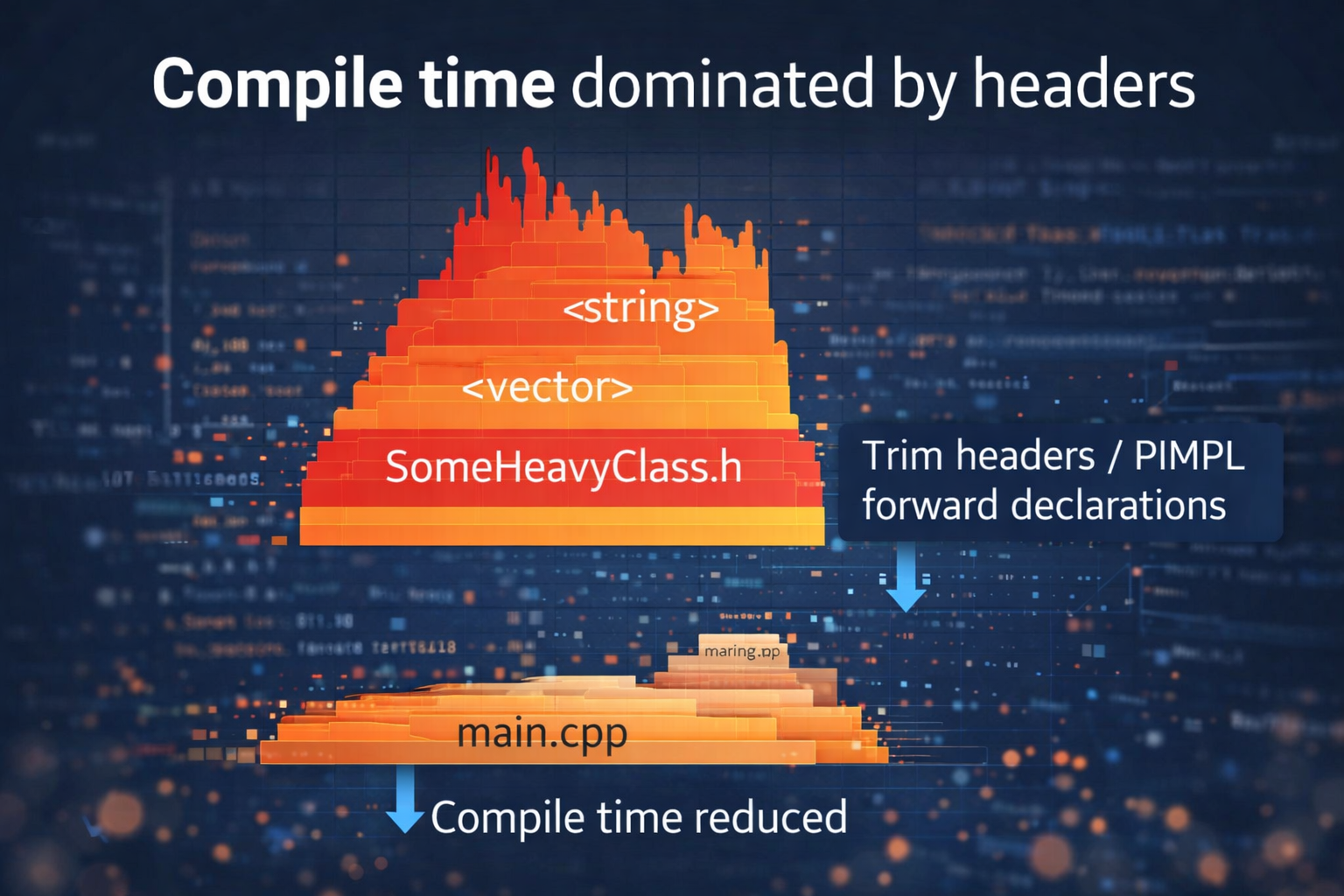
How Header Dependencies Kill C++ Build Times (and How to Fix It)
Practical techniques: forward declarations, moving implementations to cpp, and PIMPL — explained with real examples. One major factor that can slow down compilation is headers. When they are too heavy or included in every translation unit, they can significantly increase compilation time.
-

How to Find and Fix C++ Compile-Time Bottlenecks (with Real Tools)
If your C++ project takes minutes to compile, guessing won’t help. Learn how to measure real compile-time costs, analyze JSON reports, and find the most expensive headers and templates using the right tools.